Checklist Secrets: Ace Your Next Fire Alarm Inspection Effortlessly
Ensuring the safety of a building and its occupants is a top priority for any property owner or facility manager, and a crucial part of that responsibility involves maintaining safety equipment. The process of preparing for evaluations can often feel overwhelming, especially when compliance standards seem to constantly evolve. However, understanding the intricacies of the process can transform a stressful obligation into a routine and manageable task. By developing a strategic approach and utilizing comprehensive checklists, you can navigate these requirements with confidence and ease. The key lies in proactive preparation rather than reactive scrambling. When you know exactly what professionals look for during their visits, you can address potential issues before they become costly violations or safety hazards. Regularly scheduled fire alarm inspections are not just a regulatory hurdle; they are a fundamental component of building safety management that protects lives and property. Let us explore the essential strategies and checklist secrets that will empower you to ace your next evaluation effortlessly, ensuring that your property remains secure and fully compliant.
Understanding System Components
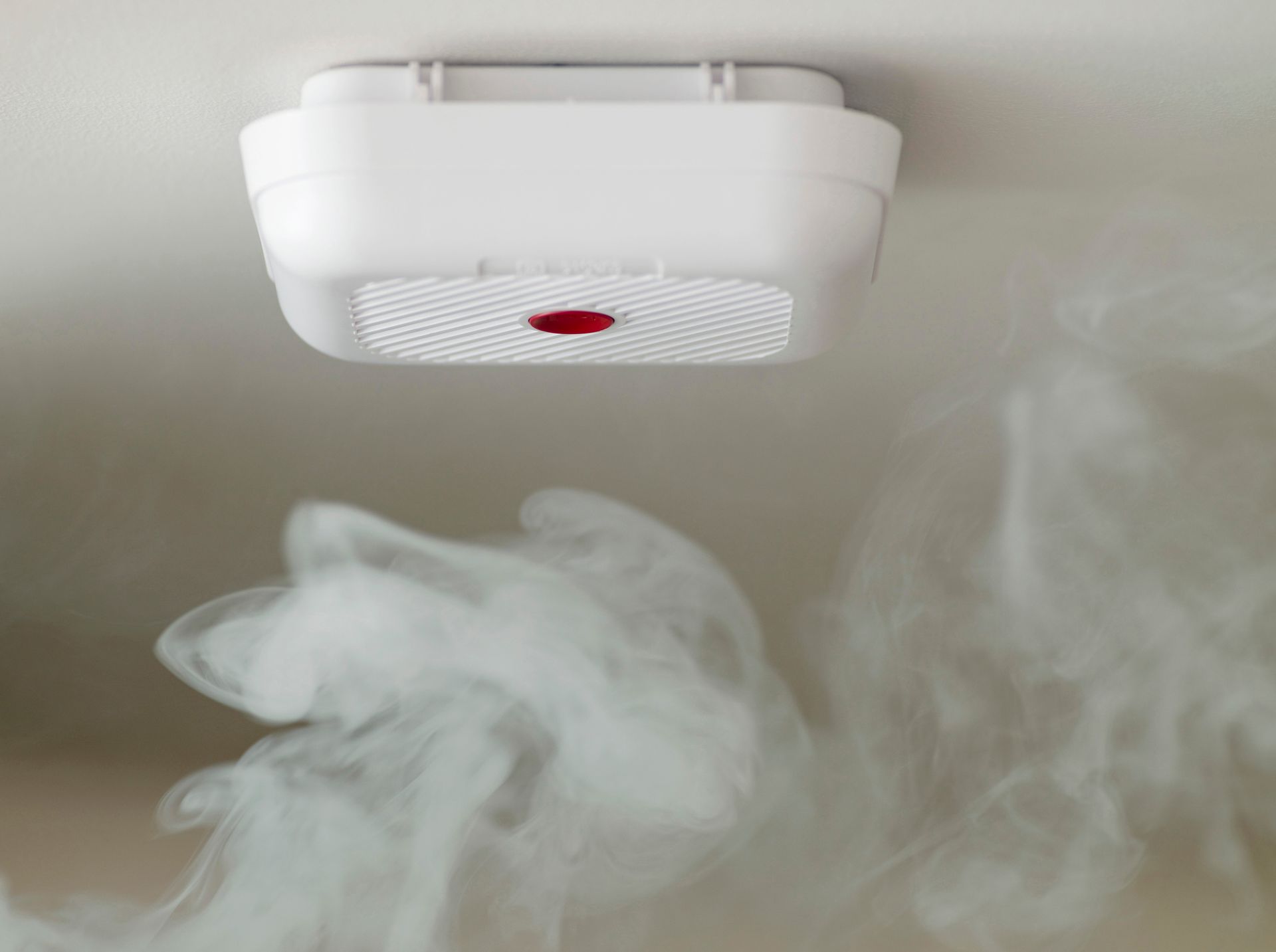
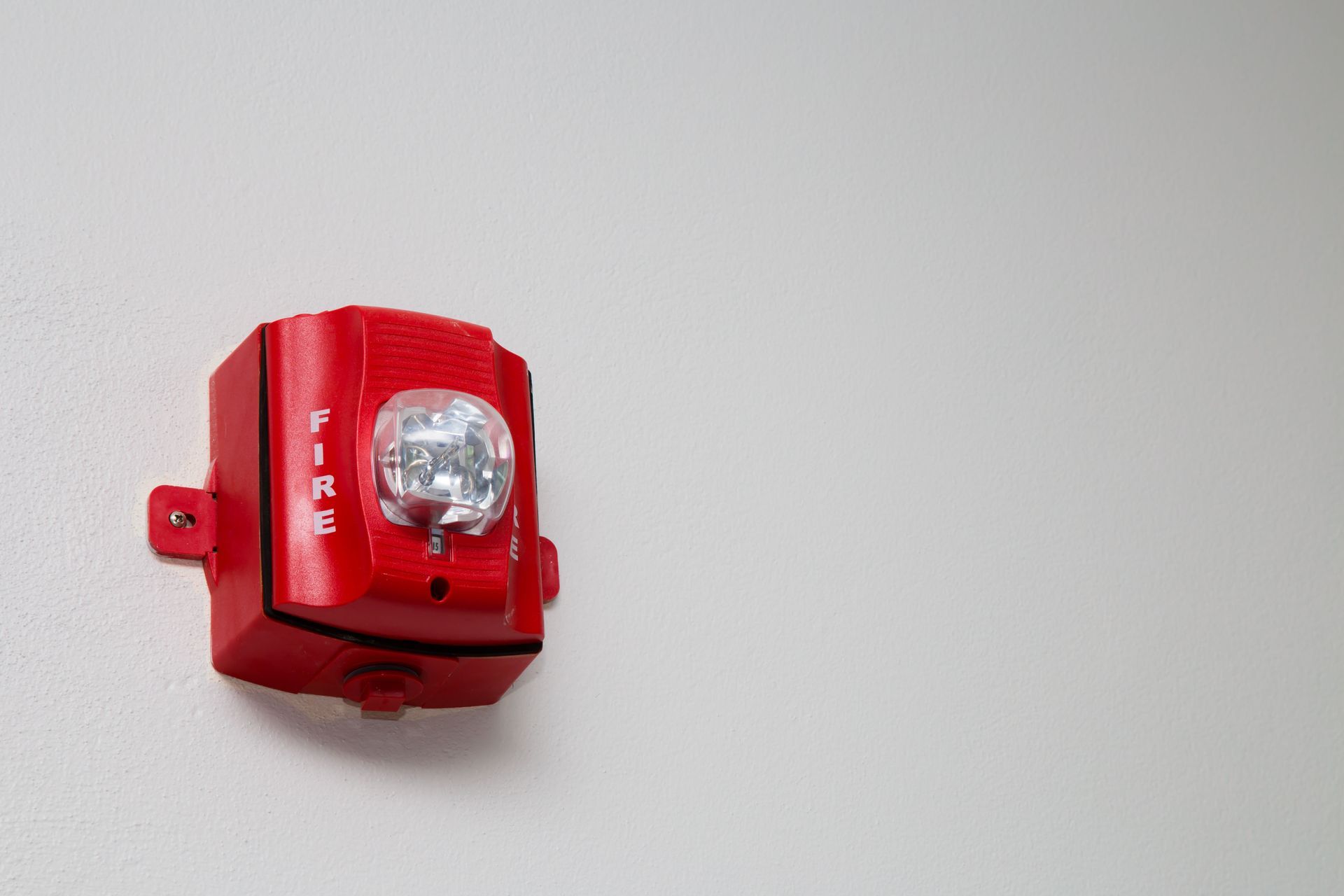
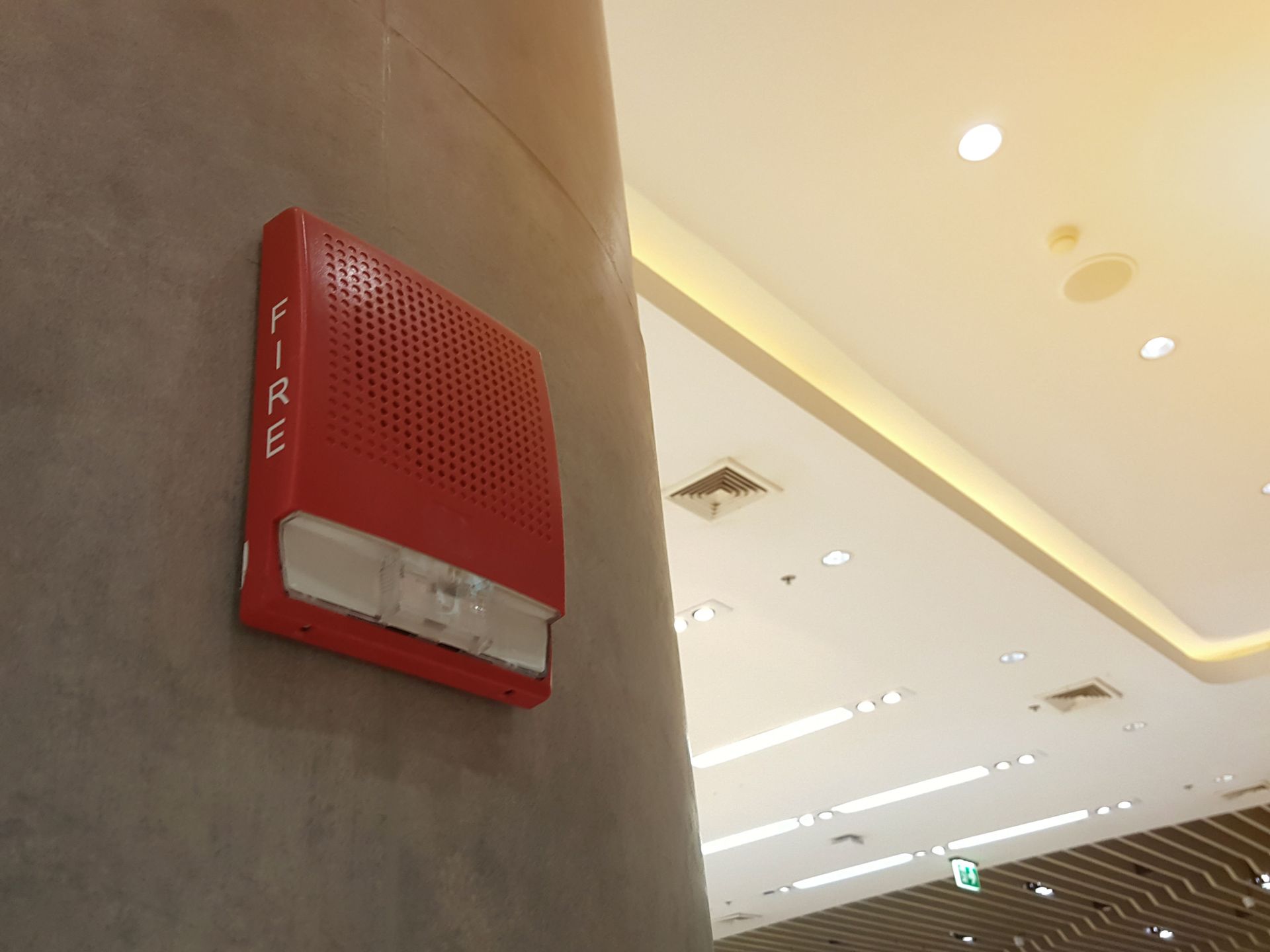
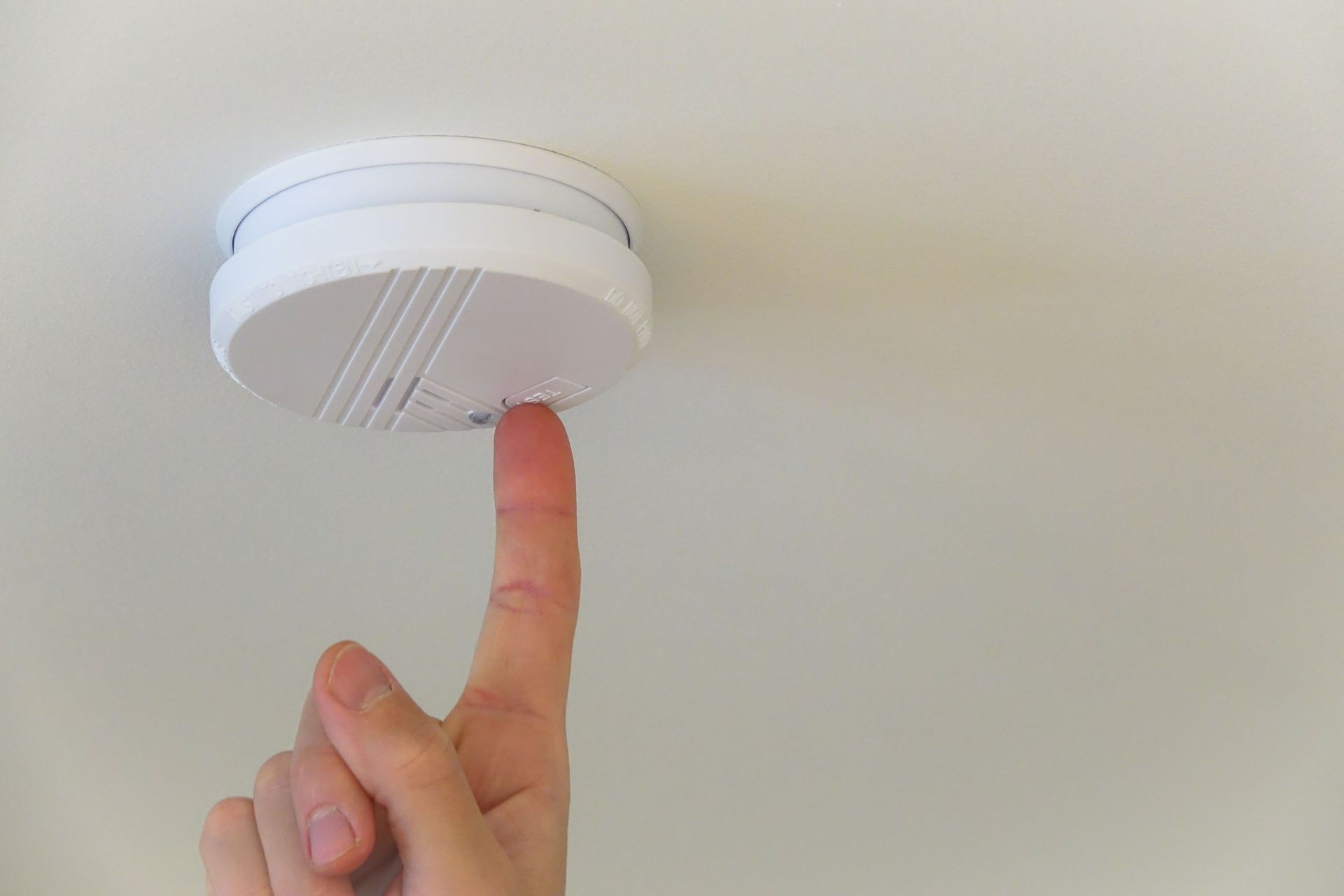
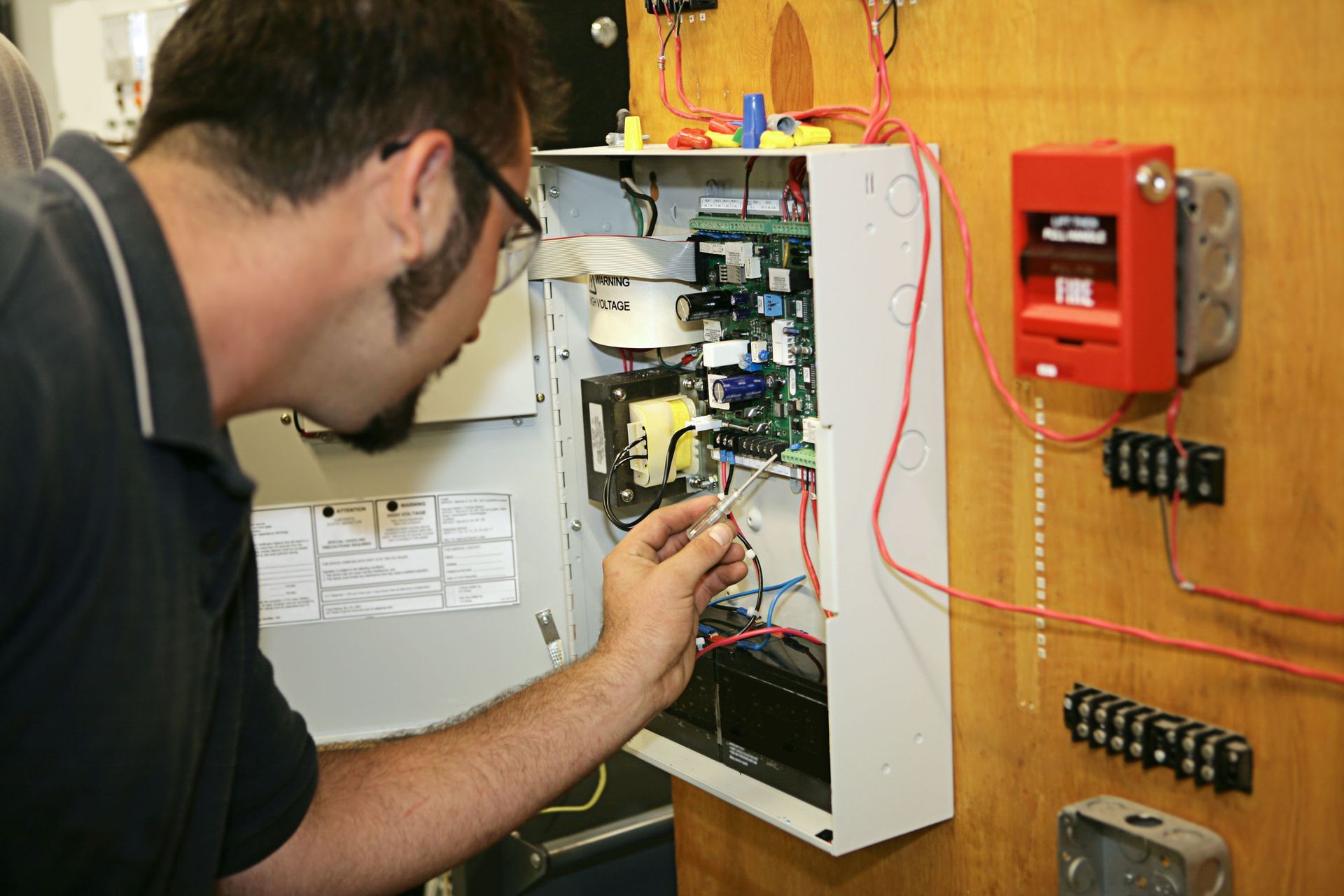
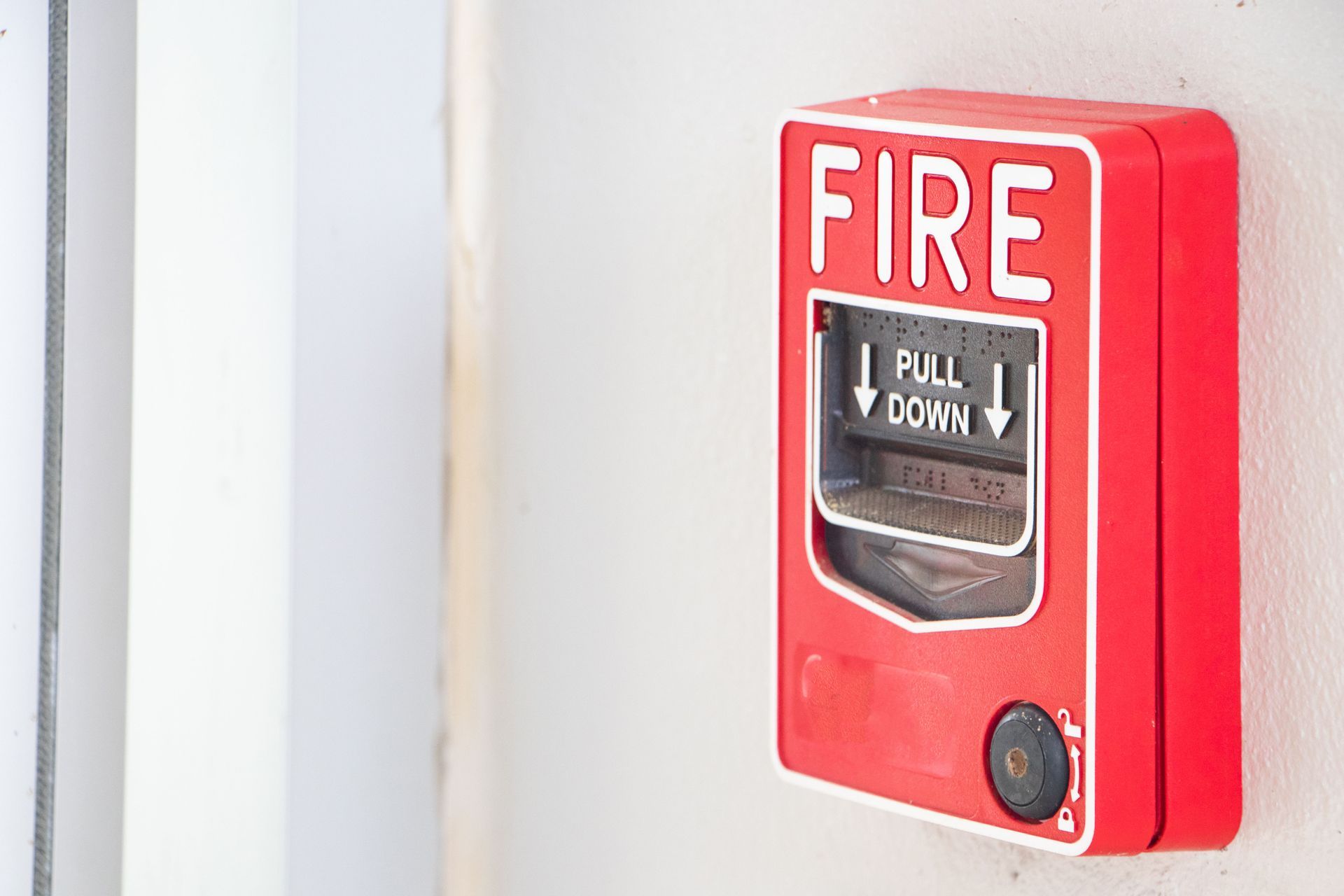
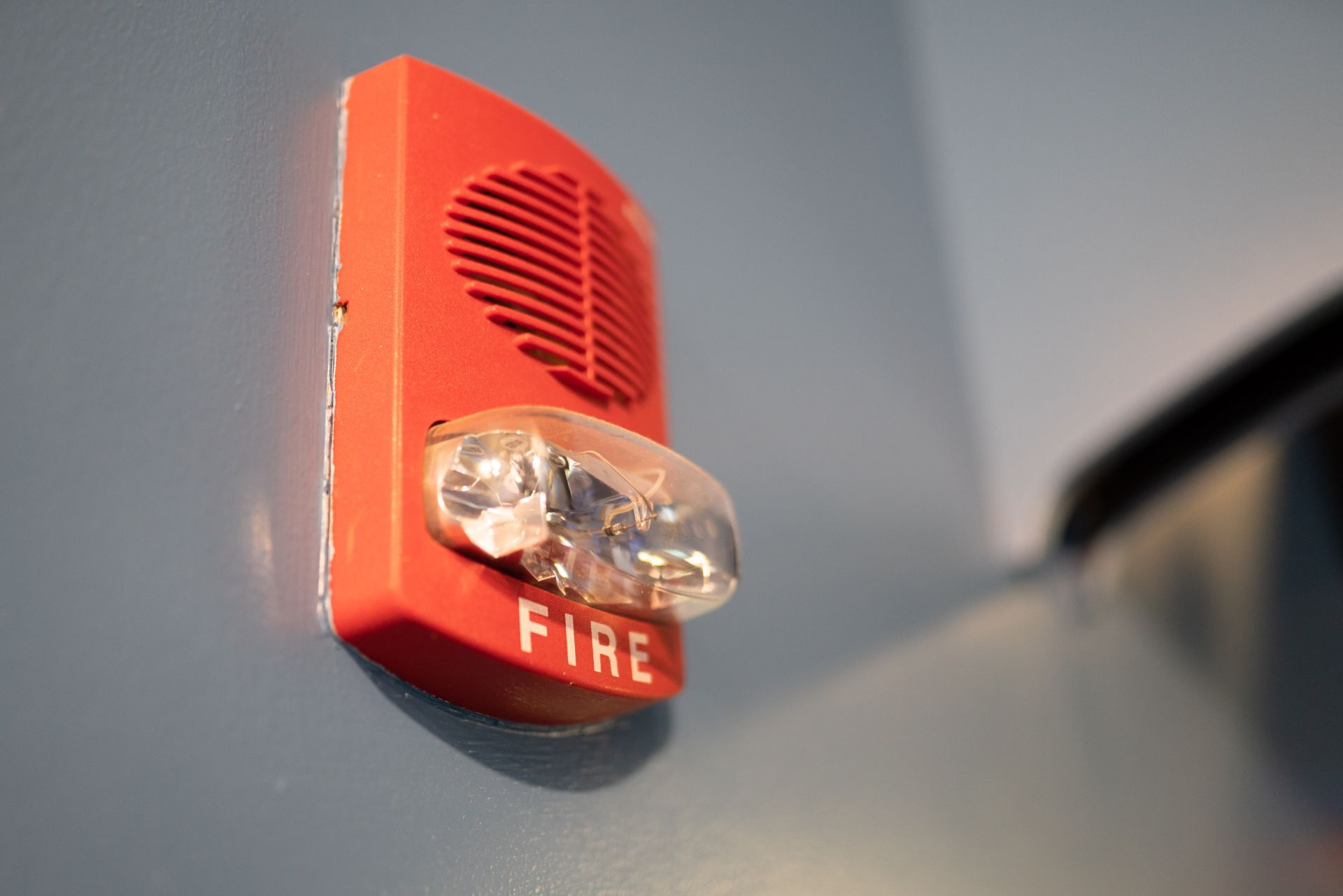
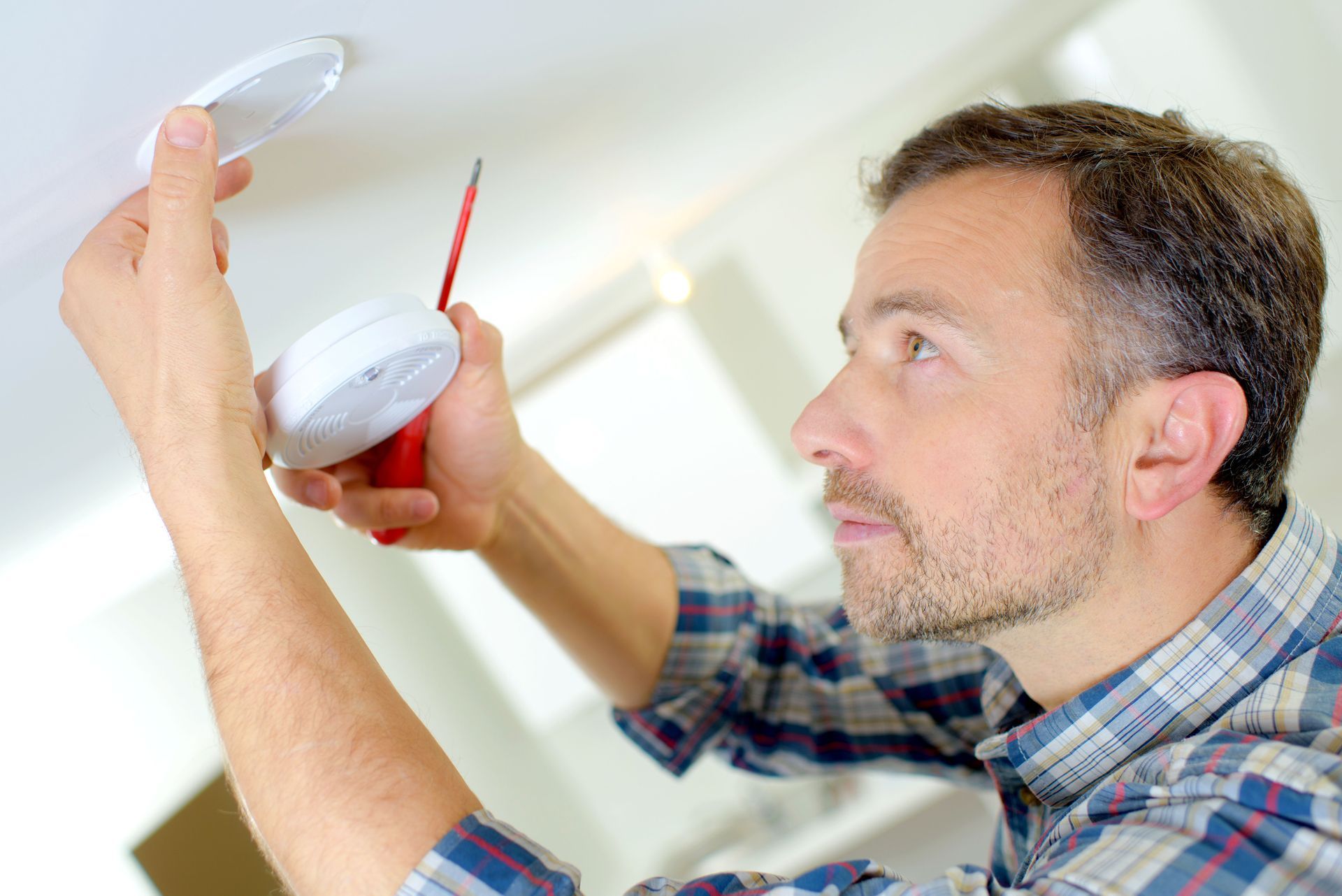
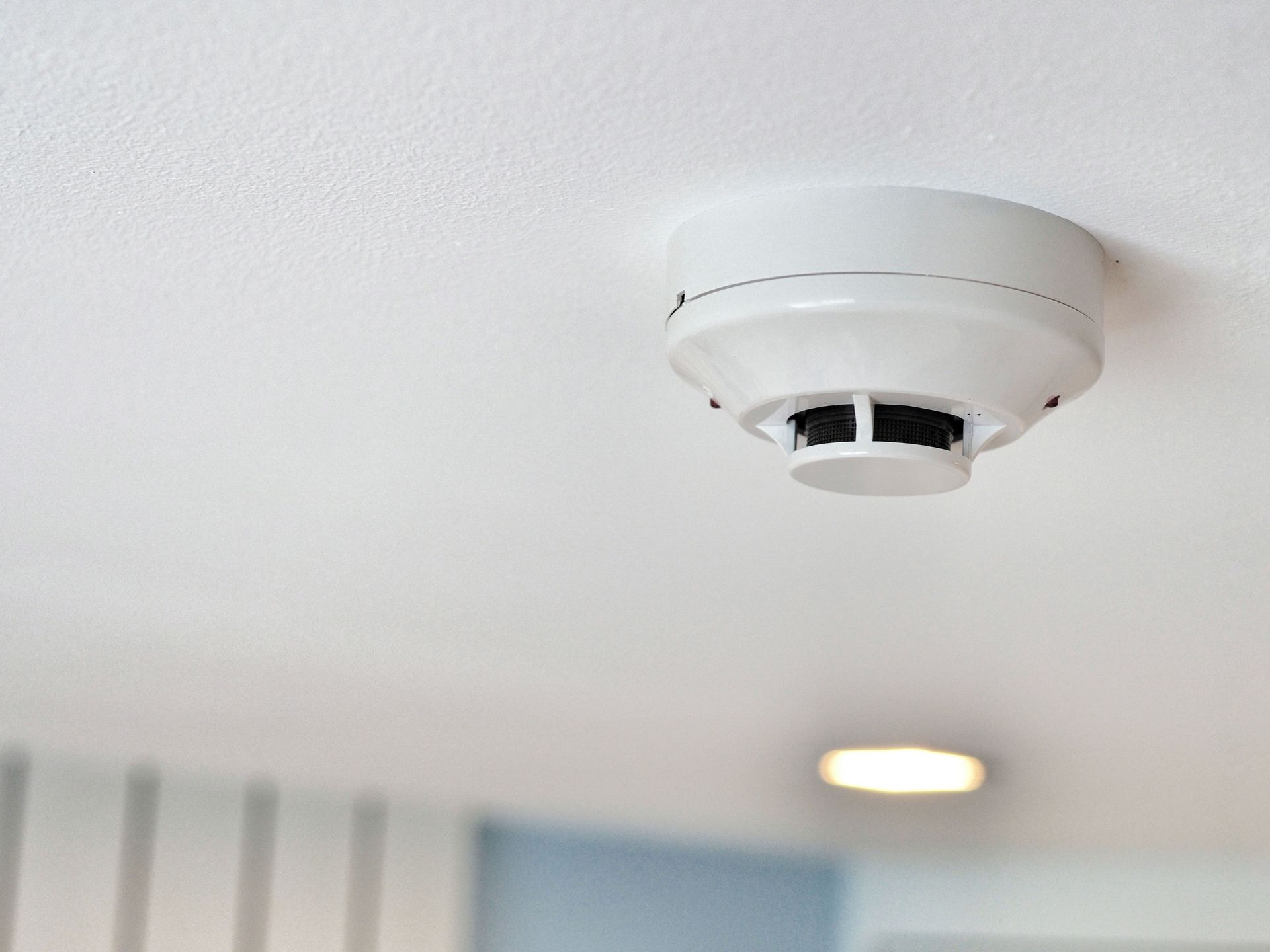
To begin your preparation, it is essential to have a thorough grasp of the various elements that make up your safety infrastructure. A standard setup includes control panels, initiating devices like smoke detectors and pull stations, notification appliances such as horns and strobes, and primary and backup power supplies. Familiarizing yourself with these components allows you to conduct preliminary walkthroughs and spot obvious signs of wear or damage. Look for obstructed detectors, damaged pull stations, or warning lights on the main control panel. A proactive approach means you do not have to wait for official fire alarm inspections to notice that a strobe light is broken or a smoke detector is covered in dust. Creating a detailed inventory of all devices provides a valuable roadmap for your maintenance team and the evaluating professionals. This inventory should be cross-referenced with your checklist to ensure no component is overlooked during your internal reviews. By taking the time to understand how each piece of equipment functions, you lay a solid foundation for a seamless evaluation process.
Reviewing Documentation Thoroughly
Proper record-keeping is just as critical as the physical condition of your equipment. Evaluating professionals will always request to see your logbooks, previous evaluation reports, and maintenance records. You must ensure that all documentation is organized, up-to-date, and readily accessible. This includes records of any repairs, system modifications, or false alarms that have occurred since the last visit. Having these documents in order demonstrates a commitment to safety and compliance, setting a positive tone for the entire process. Furthermore, it is vital to be aware of the modernization status of your equipment. According to FEMA reports, nearly 70% of US commercial buildings constructed before 2000 lack modern fire alarm systems, exposing owners to serious safety risks and regulatory violations. If your building falls into this category, your documentation should reflect ongoing maintenance efforts or planned upgrade timelines to mitigate risks. Comprehensive records not only satisfy regulatory requirements but also provide a historical overview of system performance, helping you identify recurring issues proactively.
Testing Equipment Functionality
While a visual walkthrough is a great starting point, functional testing is where the true reliability of your setup is determined. Although comprehensive testing should be left to certified technicians, facility managers can perform basic checks to ensure systems are operational. This includes verifying that the control panel is receiving power and that backup batteries are adequately charged and free of corrosion. You should also ensure that central station monitoring connections are active and communicating properly. Routine internal testing helps identify dead zones or malfunctioning notification devices that might otherwise go unnoticed until official fire alarm inspections take place. Your checklist should include steps to verify the functionality of magnetic door holders, elevator recall mechanisms, and HVAC shutdown relays, as these are critical life safety integrations. By conducting these preliminary functional checks, you minimize the risk of surprise failures and demonstrate a proactive stance on facility safety, making the official evaluation process significantly smoother for everyone involved.
Addressing Common Deficiencies
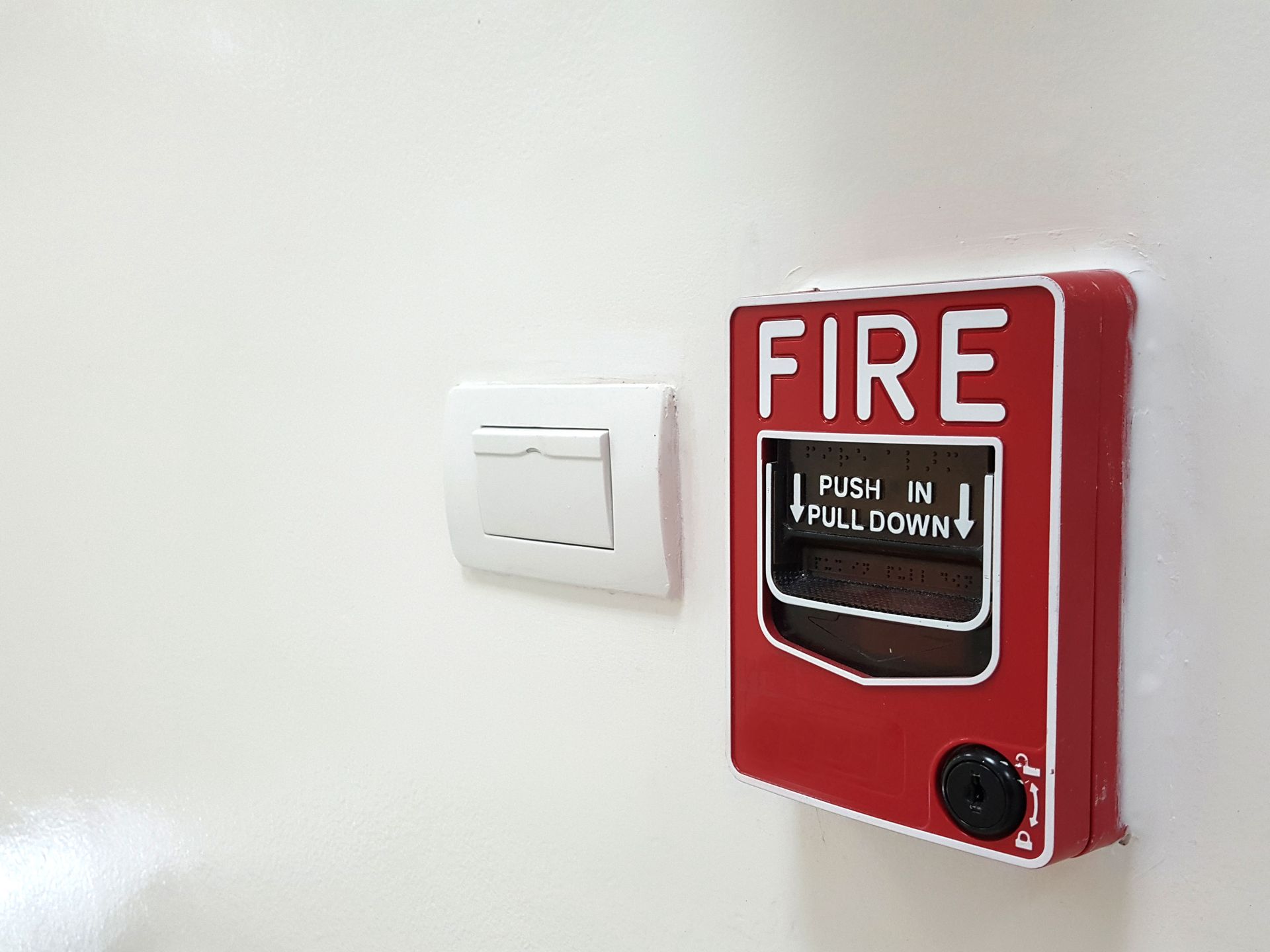
One of the most effective ways to prepare for an upcoming evaluation is to familiarize yourself with the most frequent reasons for compliance failure. Common deficiencies often include painted-over smoke detectors, obstructed pull stations, expired backup batteries, and outdated panel software. Over time, building renovations or changes in floor layouts can inadvertently compromise system effectiveness, such as erecting new walls that block strobe visibility or moving furniture in front of manual pull stations. By actively seeking out and rectifying these common issues, you can significantly improve your chances of a flawless evaluation. Your preparation checklist should explicitly prompt you to check for adequate clearance around all initiating and notification devices. Furthermore, ensuring that all emergency exit routes are clearly marked and unobstructed is a critical step that overlaps with general safety compliance. By systematically addressing these pitfalls long before scheduled fire alarm inspections occur, you save time, reduce the likelihood of re-evaluations, and maintain a high standard of safety.
Maintaining Ongoing Compliance
Achieving compliance is not a one-time event; it is a continuous commitment to safety and regulatory adherence. Building codes and safety standards are subject to change, and staying informed about these updates is crucial for long-term compliance. Facility managers should establish a relationship with local authorities to ensure they are aware of any new local or national requirements that may affect their property. Regularly updating your internal checklists to reflect these changes ensures that your preparation remains relevant and effective. Additionally, implementing a preventative maintenance schedule that goes beyond minimum regulatory requirements can significantly extend the lifespan of your equipment. This ongoing dedication to maintenance ensures that your property is always ready for fire alarm inspections, rather than just scrambling to prepare a few days beforehand. By fostering a culture of continuous improvement and vigilance, you create a safer environment and streamline the evaluation process, making it a routine confirmation of your robust safety practices.
Preparing Staff Members
The physical condition of your building's safety equipment is only one half of the equation; the readiness of your personnel is equally important. During an evaluation, professionals may ask staff members questions about emergency protocols or the location of manual pull stations and primary exits. Ensuring that your team is well-trained and knowledgeable can greatly facilitate a smooth evaluation process. Conduct regular training sessions to familiarize employees with the sounds of different alarms, the proper evacuation routes, and the designated assembly areas outside the building. Furthermore, your maintenance team should be briefed on the specific protocols for assisting the evaluating professionals during their visit, such as providing access to locked electrical rooms. A well-prepared staff not only expedites fire alarm inspections but also reinforces a comprehensive safety culture within the organization. When everyone understands their role in emergency preparedness, the entire facility operates more securely, and the evaluation becomes a collaborative effort.
Mastering the art of preparation requires a combination of diligence, organization, and a proactive mindset. By utilizing detailed checklists, maintaining meticulous documentation, and ensuring both your equipment and your staff are ready, you can transform a potentially stressful evaluation into a seamless validation of your building's safety. Protecting your property and the people within it is an ongoing responsibility that demands continuous attention to detail. Staying ahead of compliance requirements not only prevents costly fines but also provides invaluable peace of mind. Regular fire alarm inspections are a vital part of this protective strategy, ensuring that your critical life safety systems will function perfectly when they are needed most. If you need expert assistance in maintaining your systems or preparing for your next evaluation, do not hesitate to reach out to the professionals. Contact Effective Alarm Systems, Inc. today to learn more about our comprehensive safety services and schedule a consultation with our experienced team.
Share On: