How Often Should Commercial Fire Alarm Systems Be Inspected?
Fire safety is one of those responsibilities that tends to stay in the background until something goes wrong. For commercial property owners, facility managers, and business operators, that background responsibility carries serious weight. A properly functioning fire alarm system helps protect employees, customers, property, and operations. But having a system installed is only part of the equation. Ongoing inspections are what help ensure the system remains ready to perform when needed.
Over time, sensors can become dirty, wiring can degrade, batteries can weaken, and components can fail without obvious warning signs. That is why regular inspections matter. Commercial fire alarms systems are designed to detect danger quickly, but even advanced systems require routine evaluation to remain dependable. Understanding inspection frequency helps businesses stay compliant while reducing risks associated with equipment failure.
Understanding Why Regular Inspections Matter
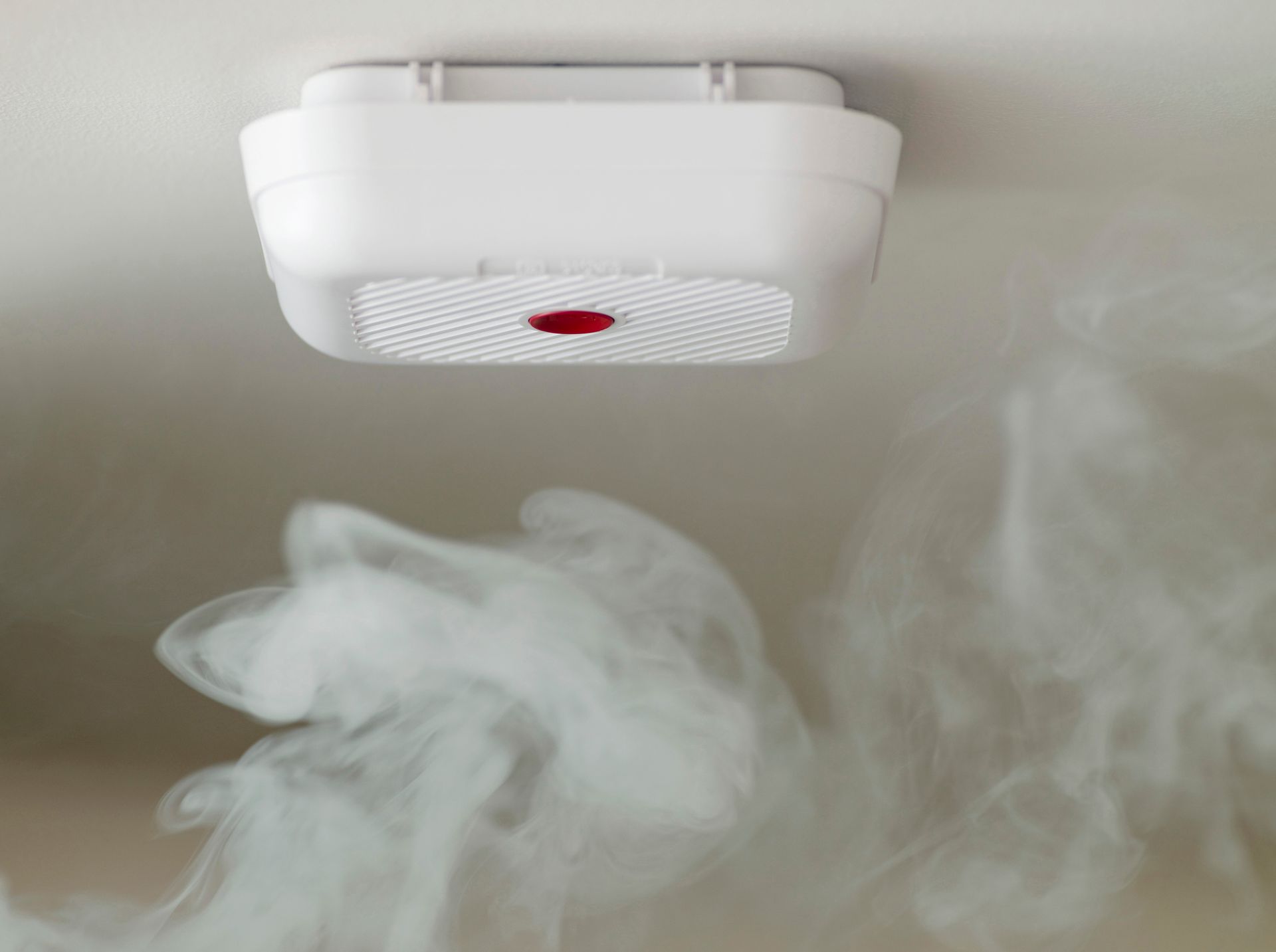
Commercial fire alarm systems are designed to provide early warning when smoke, heat, or fire is detected. Their purpose is straightforward, but the surrounding environment is constantly changing. Dust buildup, humidity, construction work, and daily wear can all affect system performance.
This is why scheduled inspections matter so much. Commercial fire alarms systems must be checked regularly to ensure every component is functioning as intended. Inspections help identify small issues before they become larger operational problems. Regular testing also supports occupant safety by reducing the likelihood of undetected system failures. Consistent inspections also help businesses maintain compliance with fire safety regulations and documentation requirements. Over time, this proactive approach can reduce unexpected disruptions and improve overall system reliability.
Understanding Inspection Requirements
Inspection frequency is often determined by local fire codes, building occupancy, insurance requirements, and national safety standards. While exact schedules may vary, many commercial properties follow monthly, quarterly, semiannual, and annual inspection routines depending on system complexity.
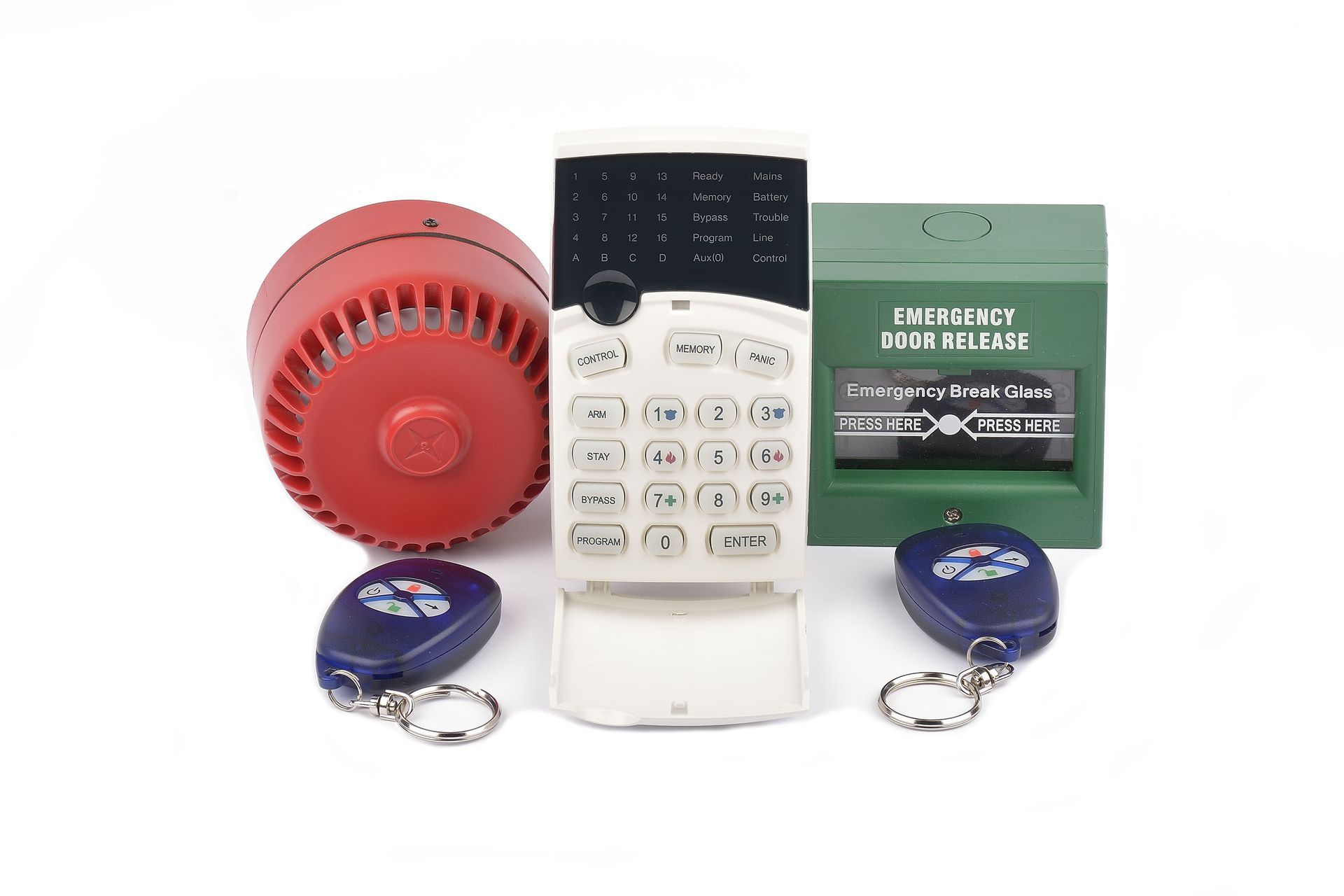
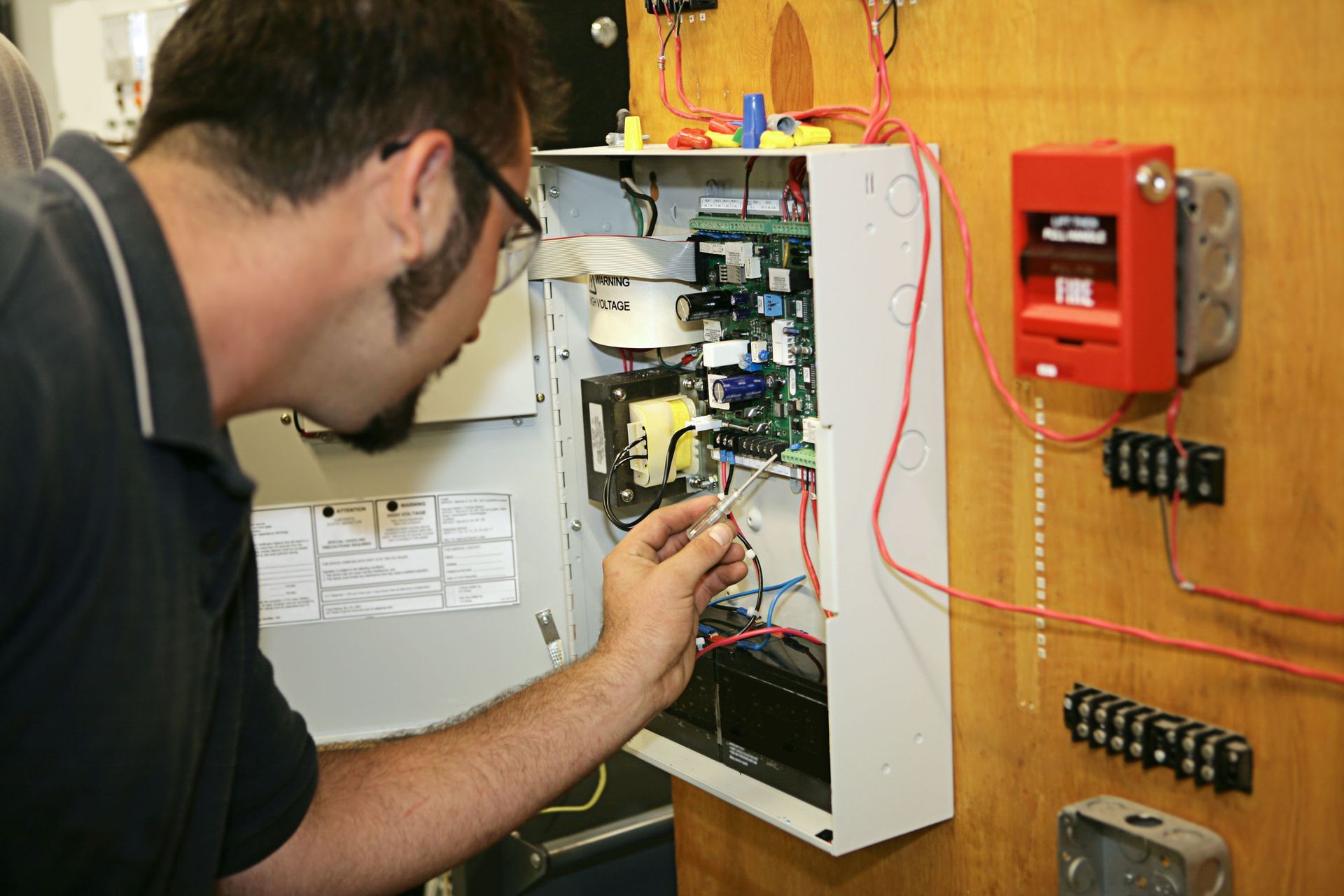
Commercial fire alarm systems typically require professional testing of detectors, control panels, notification devices, and backup power sources. Some components need more frequent attention than others. Understanding these layered inspection schedules helps business owners stay prepared instead of scrambling when compliance deadlines arrive.
Considering Monthly Visual Inspections
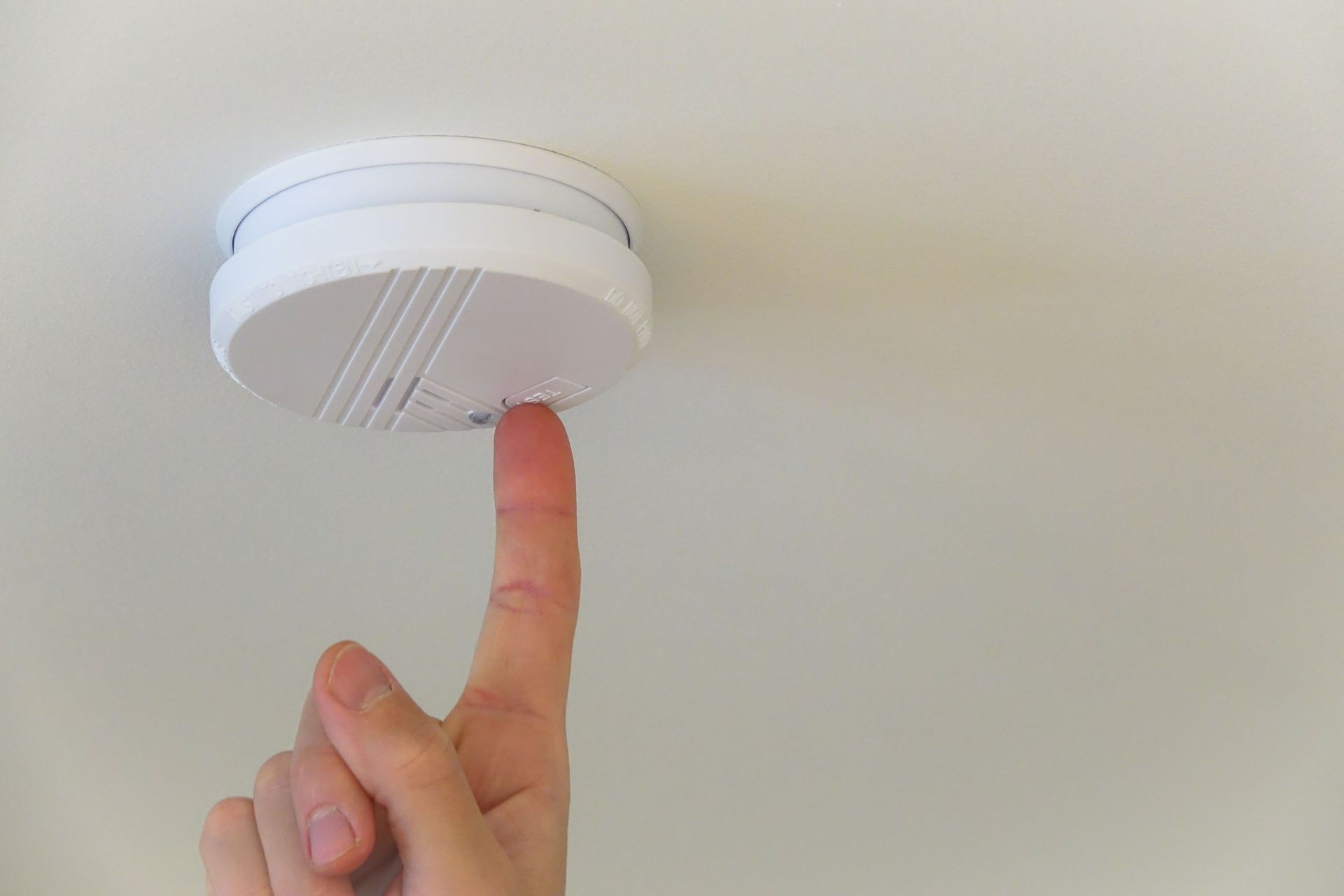
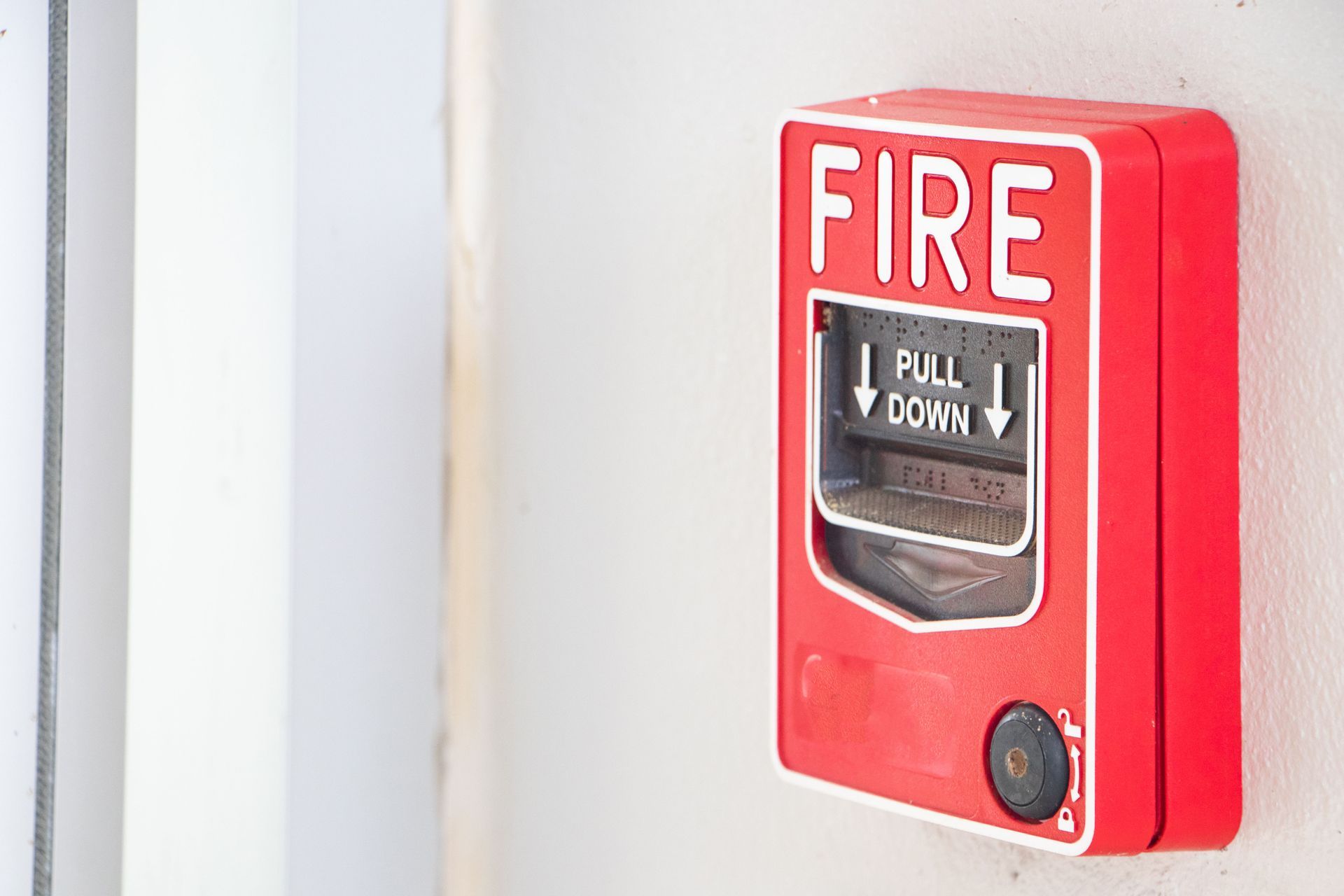
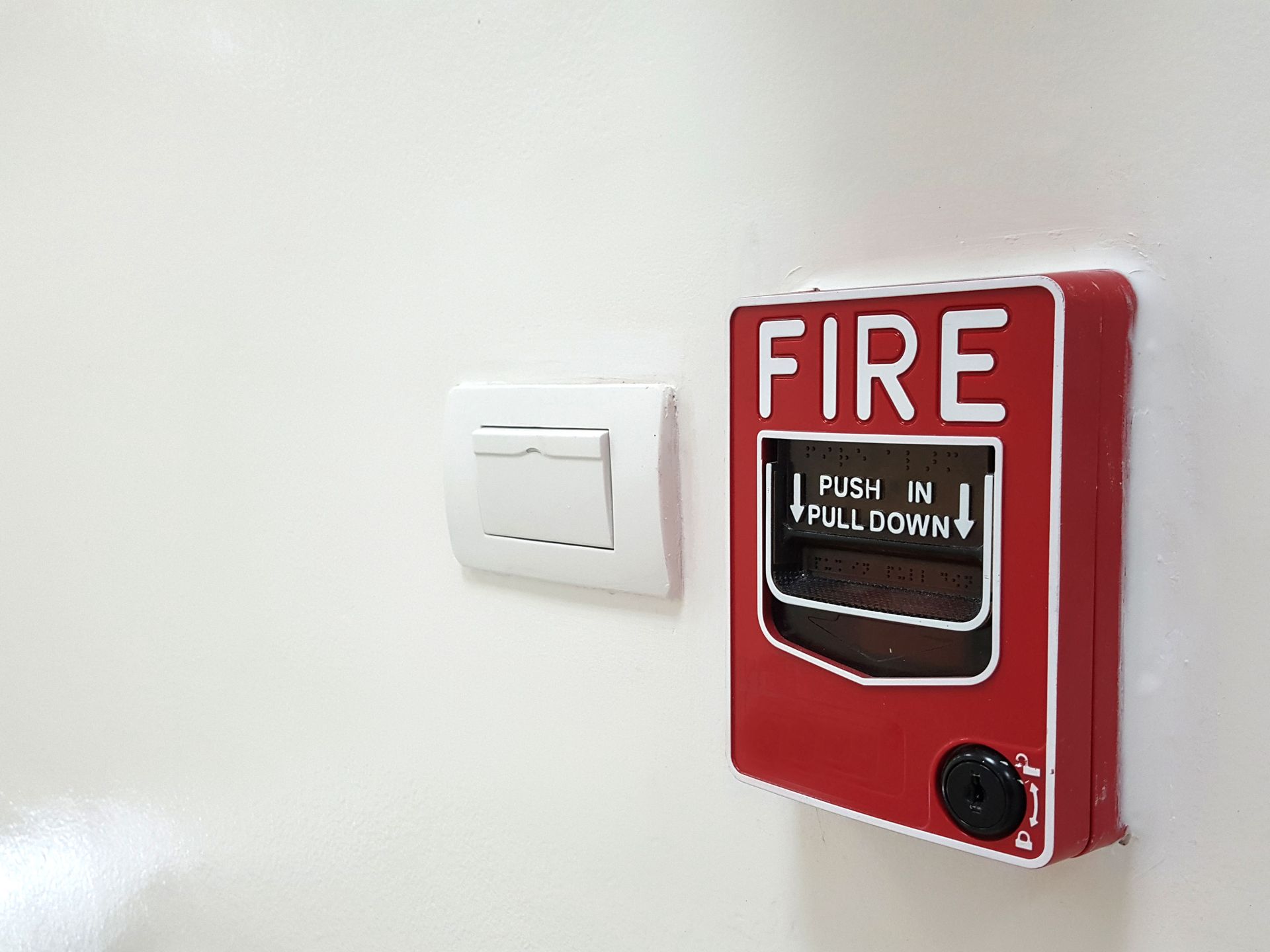
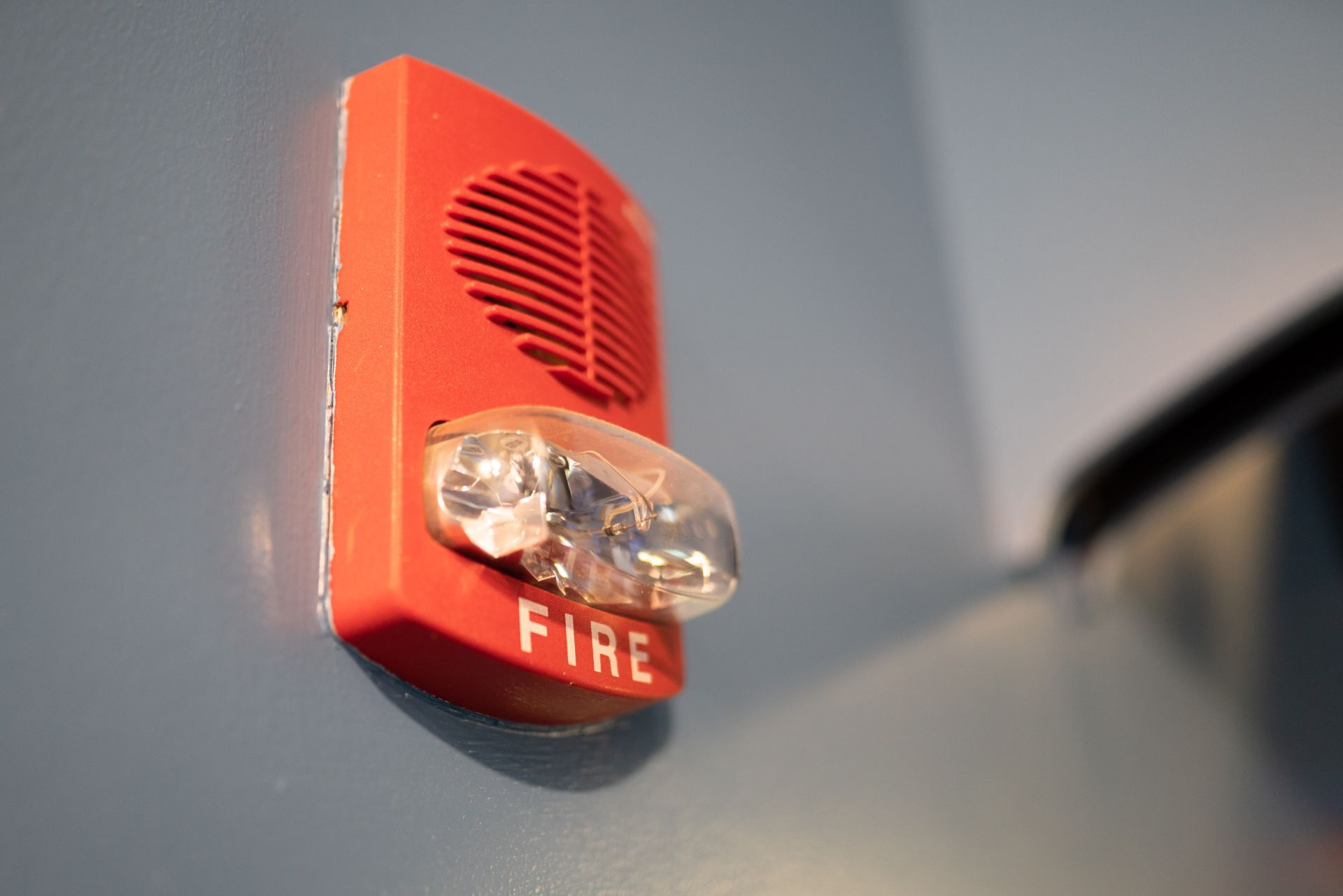
Monthly inspections often focus on visible conditions and obvious warning signs. This may include checking that control panels show normal operation, ensuring pull stations remain accessible, and confirming that alarm devices are unobstructed.
Even small visual issues can become significant over time. Commercial fire alarms systems may appear functional while hidden problems develop internally. Monthly inspections help catch early concerns such as damaged devices, missing covers, or panel warning indicators. These routine reviews help maintain consistent awareness of system condition. They also allow technicians to identify developing issues before they interfere with system performance or compliance requirements.
Understanding Quarterly Testing of Key Components
Quarterly inspections often involve deeper testing of select system components. This may include communication pathways, monitoring signals, control interfaces, and certain detection devices.
Quarterly evaluations help ensure communication remains intact between system components and monitoring services. Commercial fire alarms systems rely heavily on accurate signal transmission. If one communication pathway fails, response times may be affected. Routine testing helps confirm the system remains responsive under real operating conditions.
Scheduling Annual Comprehensive Inspections
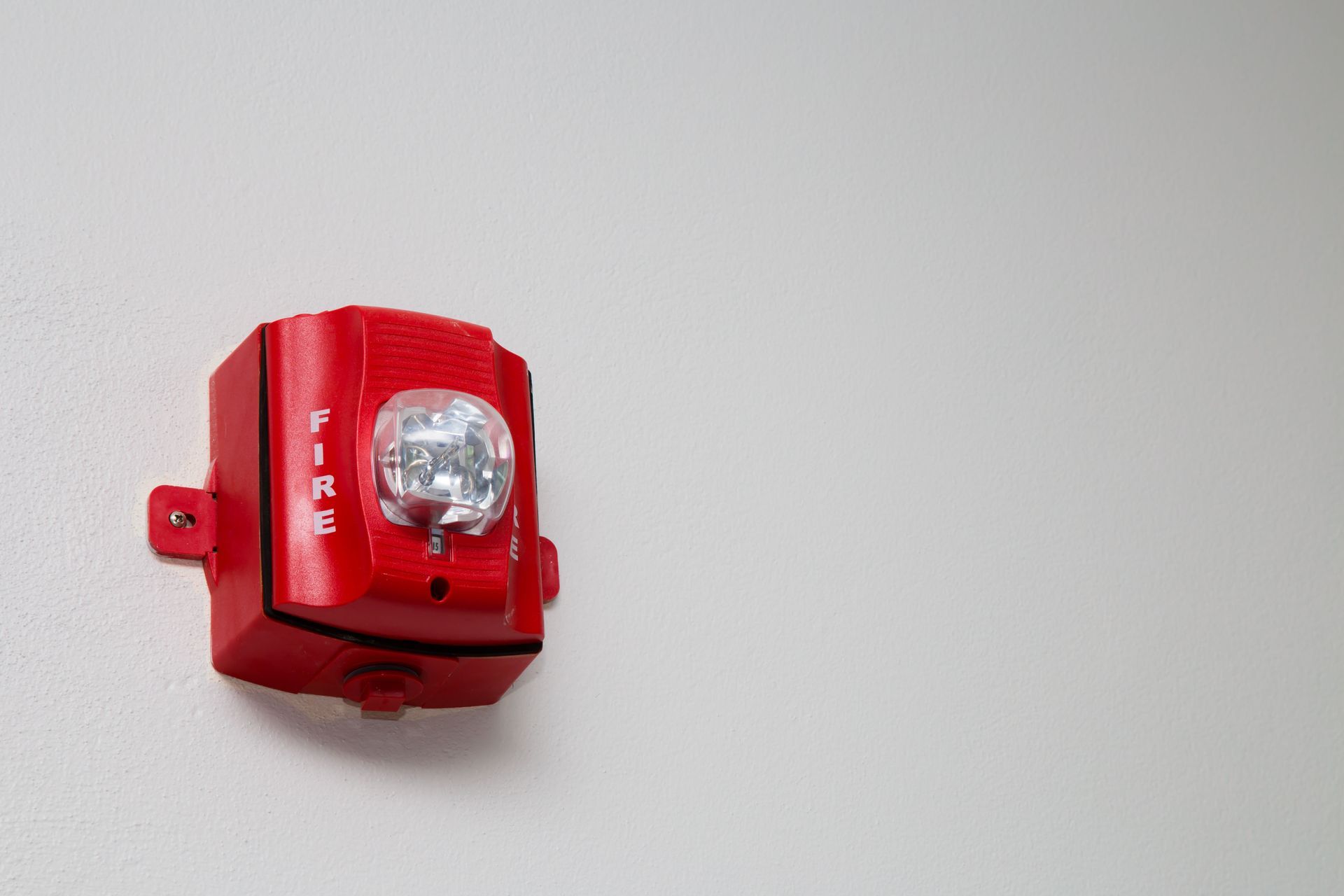
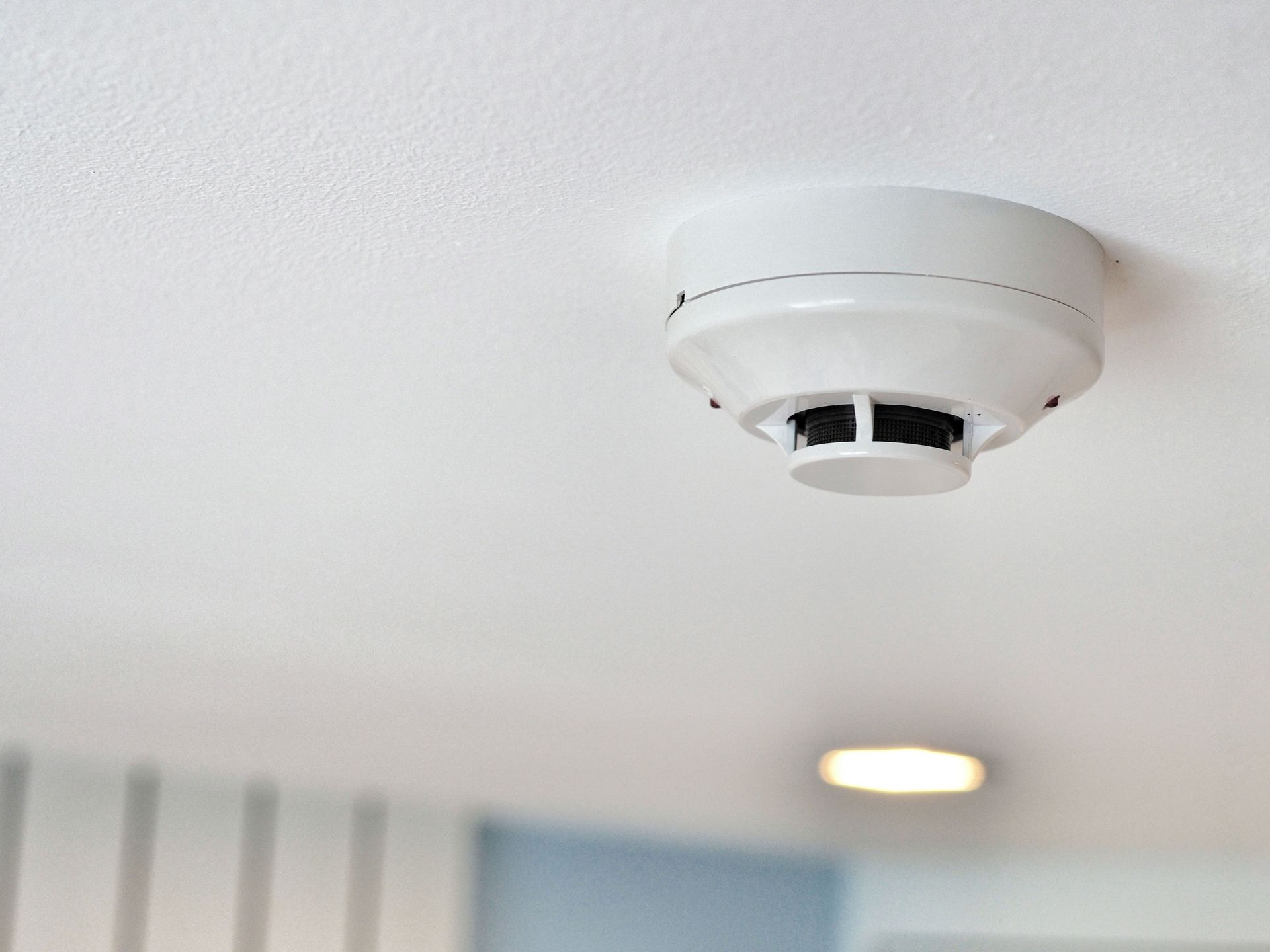
Annual inspections are typically the most detailed. These evaluations involve comprehensive testing of all major system components, including smoke detectors, heat detectors, horns, strobes, batteries, and control panels.
Commercial fire alarms systems often undergo performance testing to verify each device activates properly under controlled conditions. Technicians also review system history, maintenance logs, and prior service records. Annual inspections provide a full-picture assessment of overall system health and help confirm compliance with applicable codes.
Understanding Battery and Backup Power Testing
Power reliability is critical for any alarm system. Commercial buildings cannot assume utility power will always be available during emergencies. That is why backup batteries and emergency power systems play such an important role.
Commercial fire alarms systems depend on backup power to remain operational during outages. Inspection schedules typically include battery testing, load checks, and replacement planning. Weak batteries may not show obvious symptoms until an emergency occurs, making regular testing essential for dependable system readiness.
Reducing False Alarms Through Inspections
False alarms can create significant disruption for businesses. They interrupt operations, reduce confidence in alarm systems, and may even lead to fines in some jurisdictions. Frequent false alarms can also create complacency among building occupants.
According to the National Fire Protection Association, false alarms from commercial fire alarm systems accounted for 7.8% of all fire department responses in recent years, creating operational disruptions and compliance headaches for business owners. Regular inspections help address causes such as dirty detectors, wiring issues, and calibration problems. Commercial fire alarms systems benefit greatly from proactive maintenance that reduces unnecessary alerts.
Considering Environmental Conditions Affect Inspection Needs
Not every commercial environment places the same demands on alarm equipment. A warehouse, restaurant, office, manufacturing facility, or healthcare building may each present unique challenges. Dust, grease, chemicals, humidity, and temperature swings can accelerate wear.
Commercial fire alarms systems operating in harsher environments may require more frequent inspections than standard office settings. Environmental exposure can shorten component lifespan and affect sensor accuracy. Adjusting inspection frequency based on building conditions helps maintain consistent performance.
Understanding Code Compliance and Documentation
Inspection schedules are not just about safety. They also support regulatory compliance. Fire code officials, insurers, and property stakeholders often require detailed service records showing inspections were completed properly and on time. Missing or incomplete records can create complications during audits, inspections, or insurance reviews. Maintaining accurate documentation helps demonstrate that fire protection systems are being managed responsibly and consistently.
Commercial fire alarms systems should always have updated maintenance documentation. Inspection reports help establish service history, identify recurring issues, and demonstrate responsible system management. Good documentation can simplify audits and reduce compliance-related stress.
Knowing When Systems Need More Frequent Attention
There are times when inspection frequency should increase. Renovations, occupancy changes, repeated false alarms, equipment aging, and prior system failures can all justify additional testing.
Older commercial fire alarms systems may require closer monitoring because components naturally degrade over time. Businesses experiencing repeated issues should not wait until the next scheduled inspection. Addressing performance concerns early helps reduce risk and improve overall reliability.
Businesses looking to maintain reliable fire protection often work with experienced service providers like Effective Alarm Systems, Inc. Their team helps commercial properties stay proactive with inspections, maintenance, and system evaluations designed to support safe daily operations.
A strong inspection strategy is not built around reacting only when alarms fail. It involves creating a schedule that matches the building, occupancy, and operational demands of the property. Preventive maintenance is often far easier to manage than emergency repairs.
Commercial fire alarms systems perform a critical role every day, even when emergencies never occur. Creating a long-term inspection plan helps ensure that readiness remains consistent year after year. With structured maintenance and regular professional evaluations, businesses can better support safety, compliance, and uninterrupted operations.
Commercial fire alarm inspections are about far more than checking a regulatory box. They help ensure that life safety systems remain capable of responding during critical moments. From monthly visual checks to annual system-wide testing, each inspection serves a purpose. Businesses that prioritize routine inspections place themselves in a stronger position to reduce risk, limit disruptions, and maintain safer environments for everyone inside the building.

Share On: