How a Commercial Fire Alarm System Works: A Complete Guide
Running a business or managing a commercial property comes with a long list of serious responsibilities. Every day, you balance employee schedules, manage operating budgets, coordinate client meetings, and keep your facilities clean and organized. Amid the hustle of managing daily operations, protecting your physical assets and the lives of your employees must remain your absolute top priority. A commercial building is filled with complex electrical networks, high-demand appliances, heat-generating machinery, and crowded office spaces. If a hazard strikes, having a reliable mechanism in place to spot danger instantly and alert everyone in the building is critical. This is where a highly advanced safety framework becomes your most vital asset.
Understanding the mechanics of building safety is not just a regulatory chore; it is an investment in your company's survival. The real-world threats that commercial structures face daily are incredibly common. According to the Electrical Safety Foundation, electrical failures or malfunctions account for 51,000 fires each year. This eye-opening statistic proves that serious hazards can develop silently behind your drywall without any prior warning. Installing a robust commercial fire alarm setup is the most effective way to safeguard your property against these sudden, hidden dangers. When you understand how a commercial fire alarm manages a crisis, you can make smarter decisions about your facility's safety. A professional commercial fire alarm network works seamlessly by coordinating five distinct phases of emergency detection, notification, and system communication.
Activating the Vital Initiating Devices
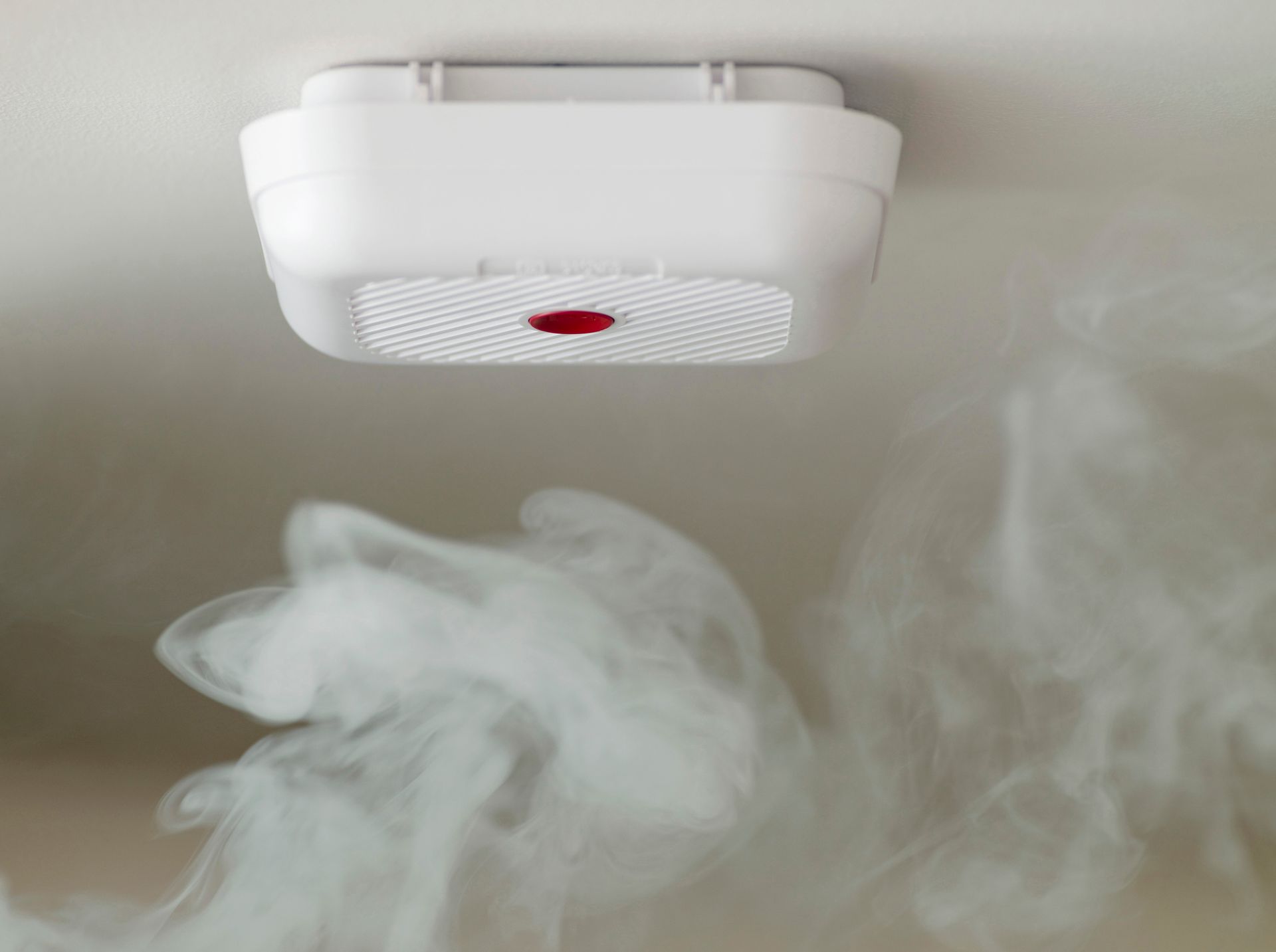
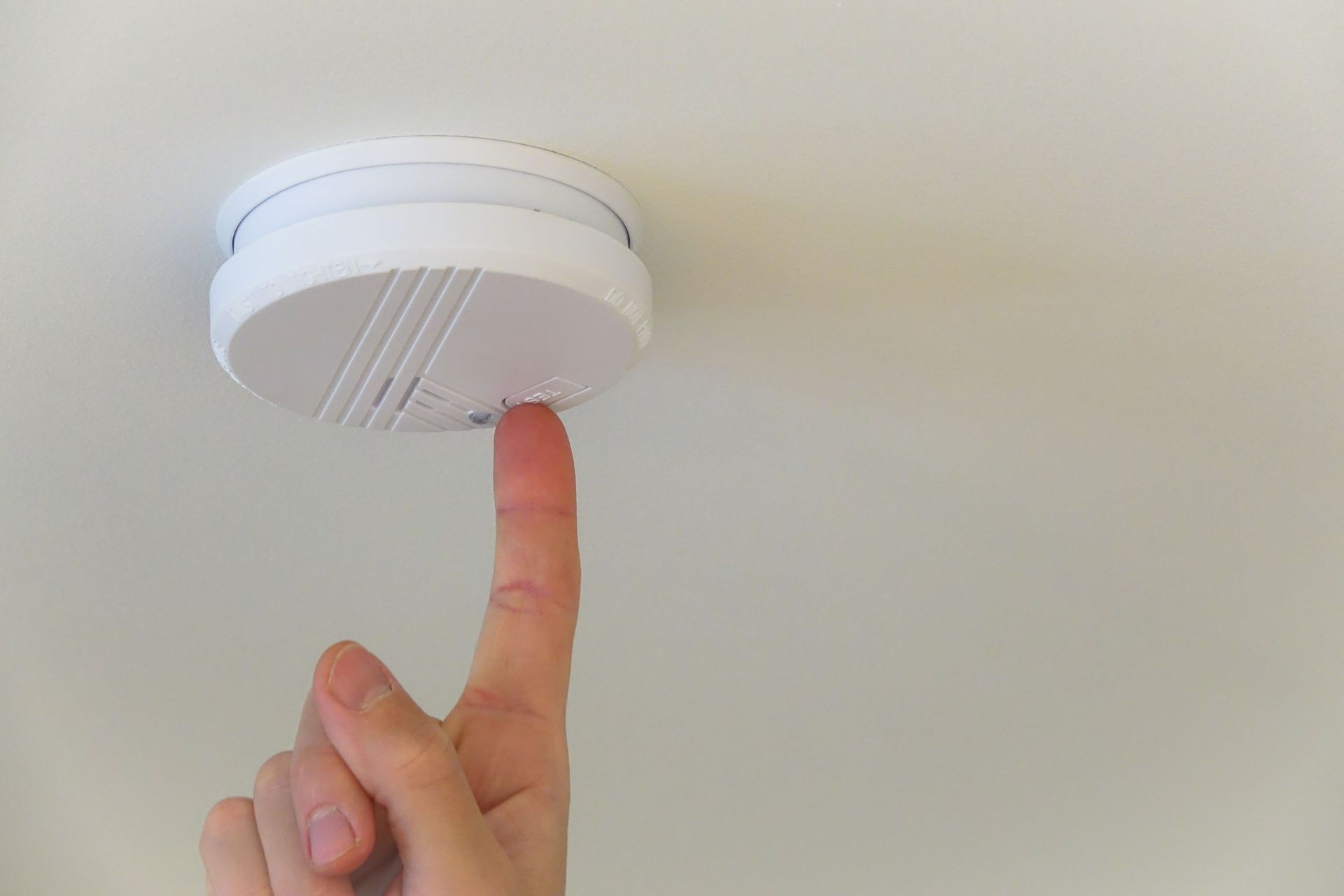
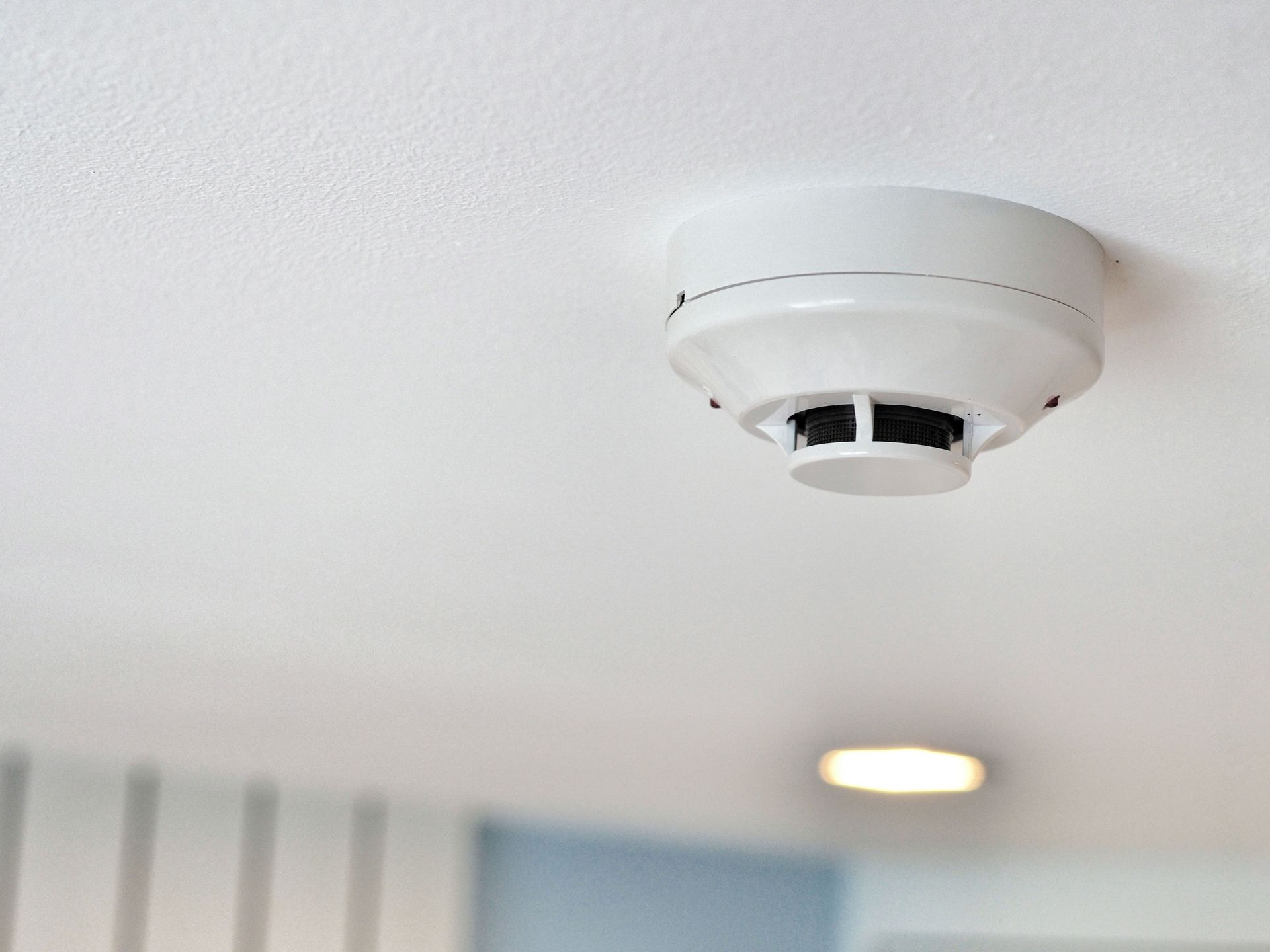
The first phase of any building safety sequence begins with activating the vital initiating devices spread throughout your facility. These specialized sensors function as the eyes and ears of your commercial fire alarm, constantly scanning your indoor air and physical spaces for early signs of combustion. If these sensors pick up unusual heat, dense smoke, or toxic gases, they instantly send an electronic distress signal back to the main control brain.
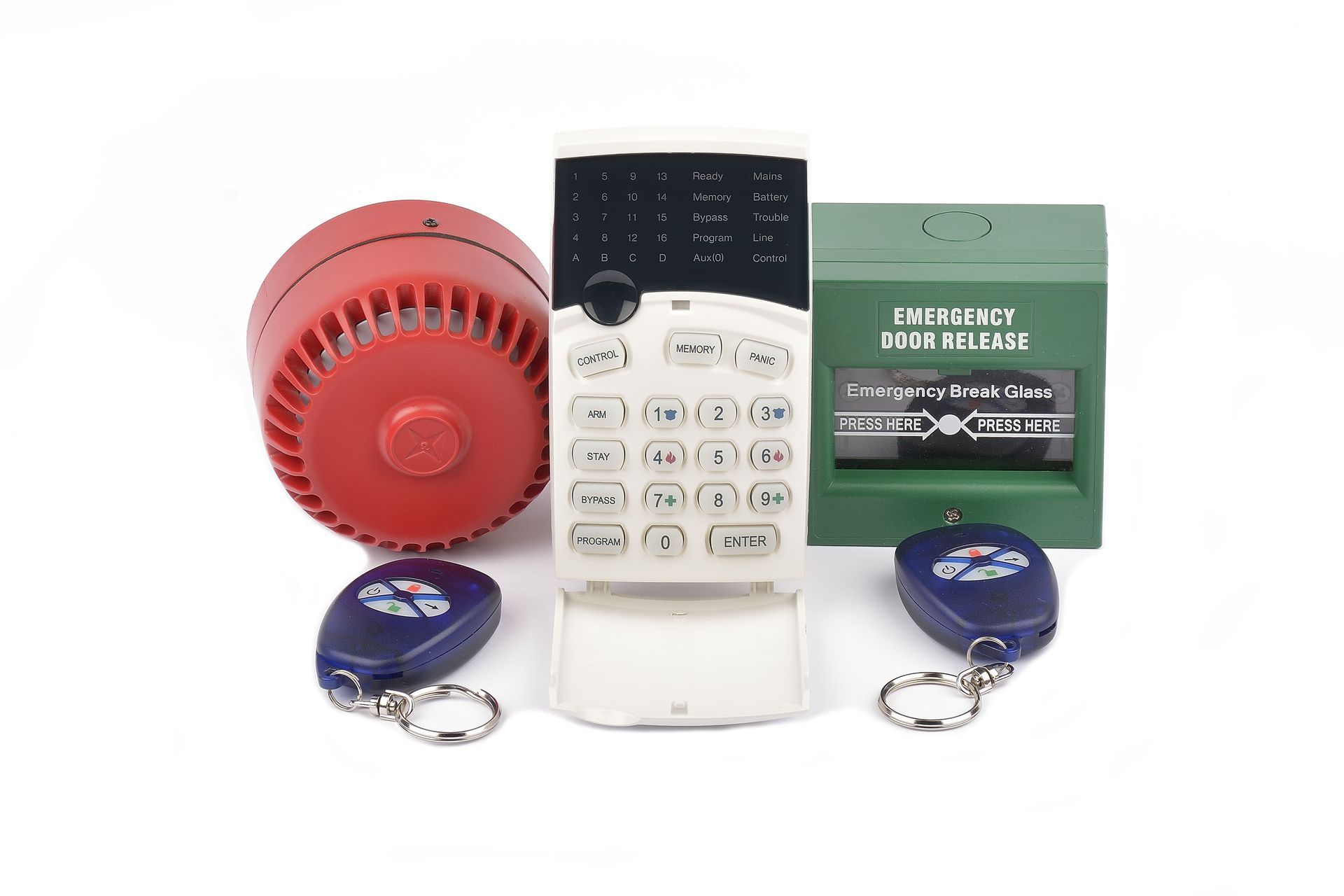
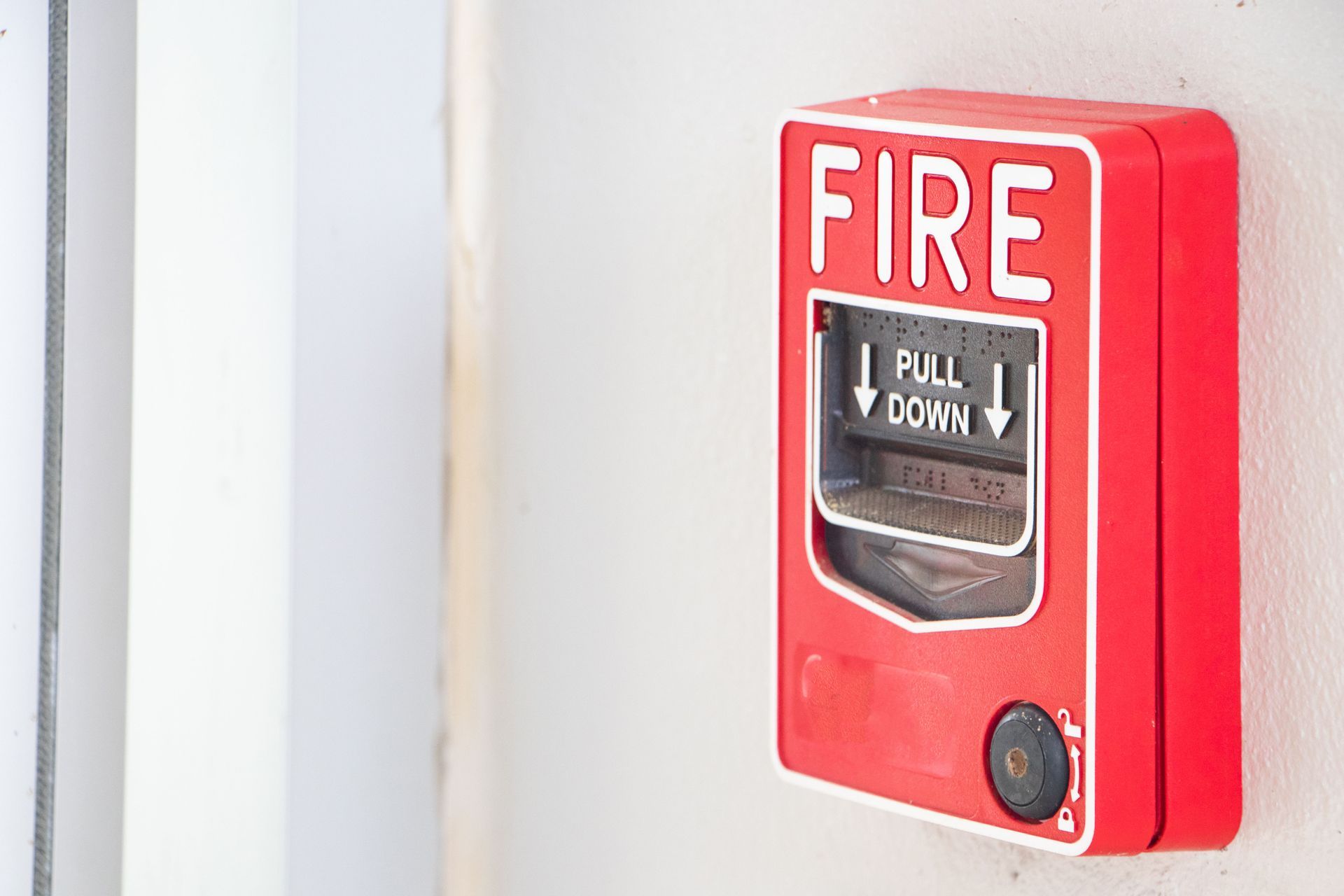
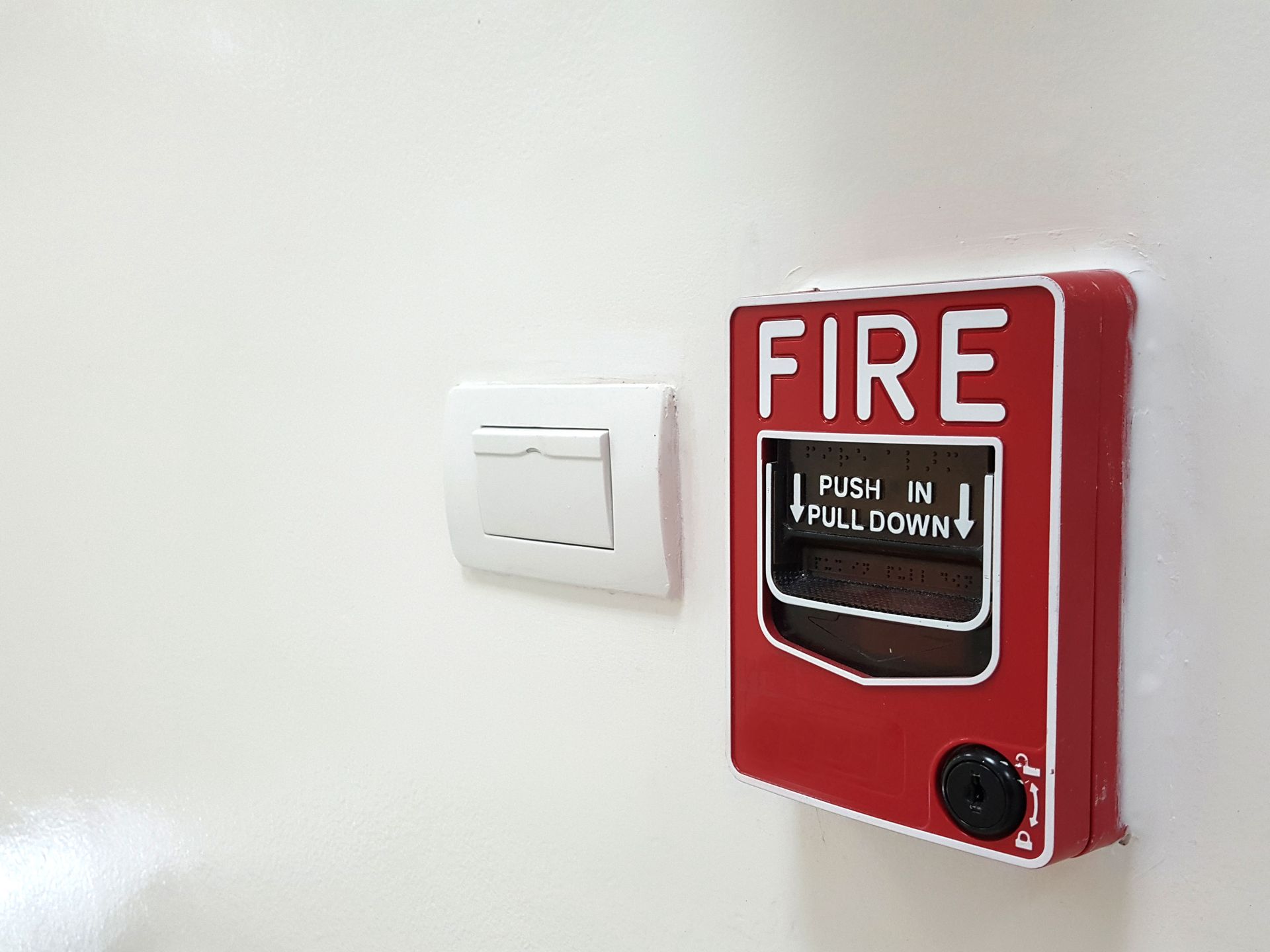
These initiating devices are divided into automatic sensors and manual devices. Automatic sensors include optical smoke detectors, which use light beams to spot floating soot particles, and thermal heat sensors, which trigger when room temperatures rise rapidly. Manual devices, such as the classic red pull stations installed near your exit doors, allow employees to trigger the commercial fire alarm instantly if they spot a hazard before the automatic sensors do. Working with certified experts to map out these devices ensures that every corner of your office, warehouse, or retail space is fully monitored and protected around the clock.
Processing Signals in the Control Panel
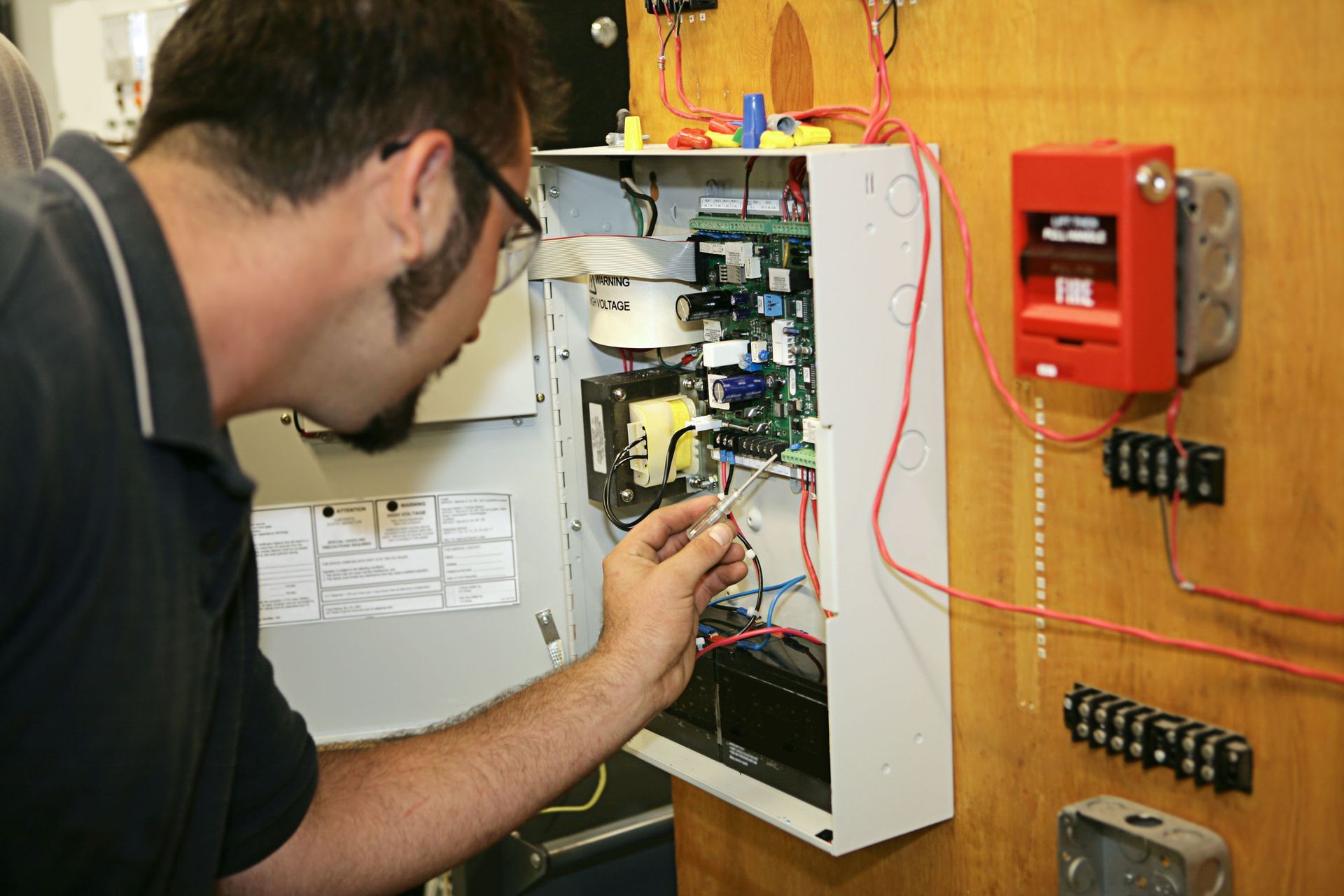
Once an initiating device is triggered, the entire emergency sequence is managed by processing those electronic signals in the central control panel. The fire alarm control panel acts as the master brain of your commercial fire alarm, continuously supervising every sensor, wire connection, and notification horn in your facility. The moment it receives an incoming alert, this central processing unit decodes the signal, pinpoints the exact location of the danger, and decides how to respond.
A modern, addressable commercial fire alarm panel does more than just sound a general alert. It tells building managers and emergency responders exactly which room or hallway triggered the initial warning, saving valuable seconds during a crisis. The panel also monitors its own internal health, constantly running self-diagnostic tests to check for broken backup batteries, ground faults, or loose wiring. Keeping this central processing brain in perfect working order guarantees that your system is always ready to receive and coordinate emergency signals without any delay.
Alerting Occupants via Notification Appliances
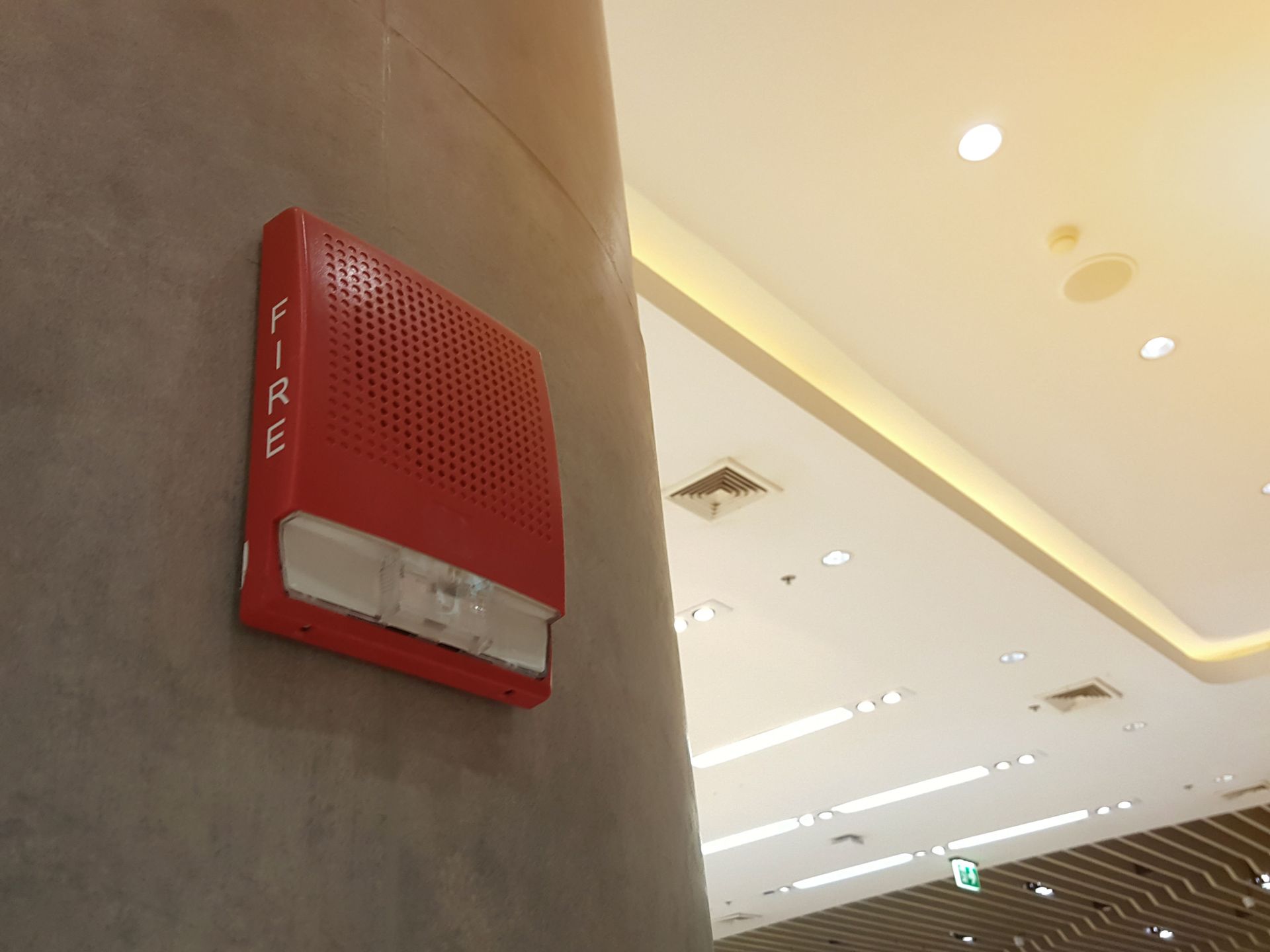
As soon as the control panel verifies a threat, it moves into the critical phase of alerting occupants via highly visible and loud notification appliances. In a crowded office, a noisy warehouse, or a busy retail store, you cannot rely on simple sirens alone to get everyone out safely. People may be wearing headphones, working near loud machinery, or struggling with sensory impairments that make hearing a standard alarm difficult.
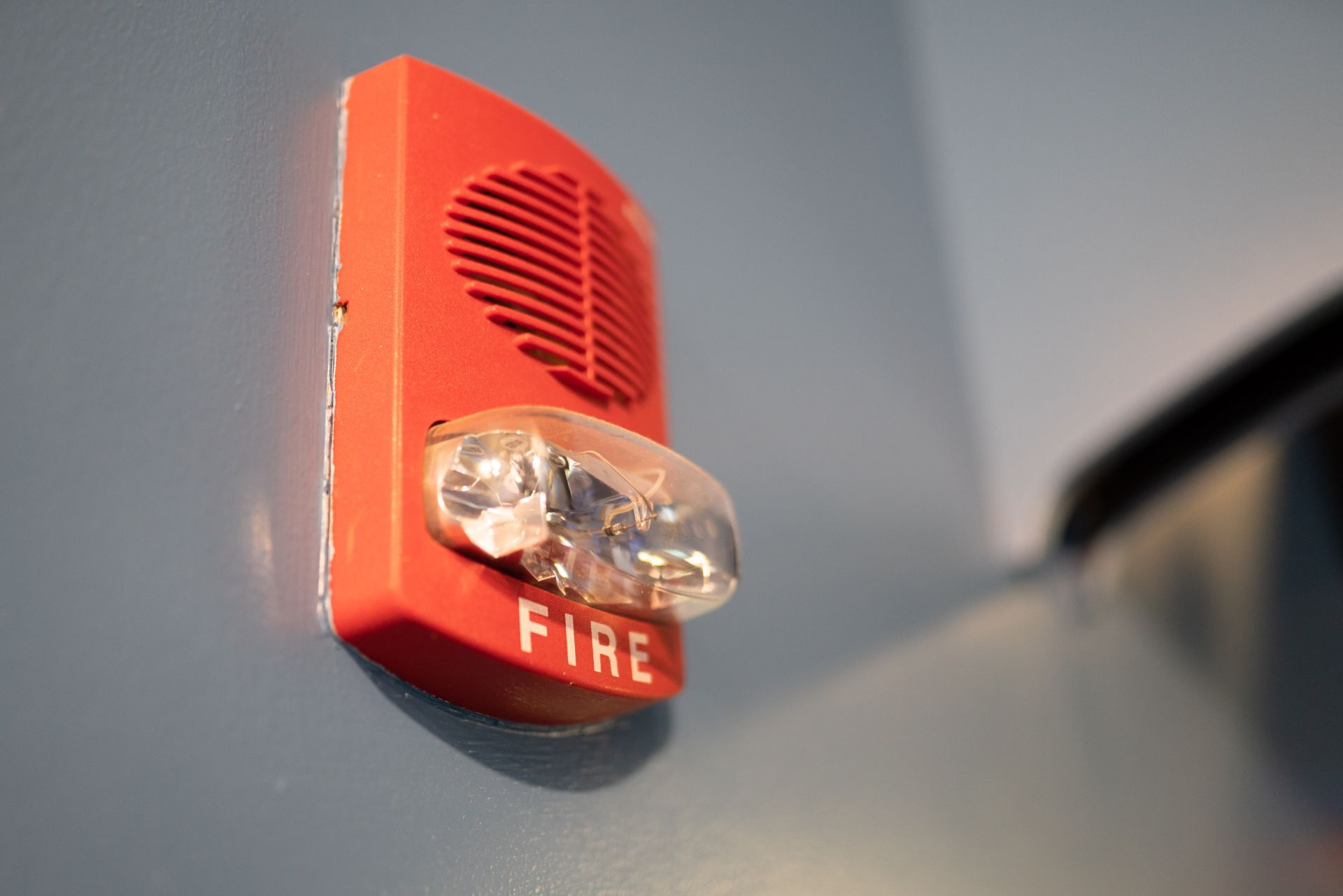
To overcome these challenges, a code-compliant commercial fire alarm utilizes a powerful combination of audible and visual notification devices. High-decibel horns and speakers broadcast clear, piercing sirens or pre-recorded verbal evacuation instructions to guide people toward the nearest exits. Simultaneously, high-intensity strobe lights flash rapidly to catch the attention of anyone with hearing difficulties or individuals working in noisy environments. Relying on these diverse notification tools during an active commercial fire alarm sequence ensures that every single person in your building is alerted immediately, preventing panic and keeping the evacuation moving smoothly.
Triggering Integrated Environmental Safety Controls
A highly advanced and incredibly protective aspect of a modern system involves triggering integrated environmental safety controls throughout your facility. A dangerous hazard does not just threaten your building through heat and flames; toxic smoke, hot gases, and rising carbon monoxide present a major threat to human life. If the heating, ventilation, and air conditioning (HVAC) systems continue to run during an emergency, they can accidentally fan the flames and spread deadly smoke to unaffected parts of the building.
To prevent this from happening, your
commercial fire alarm panel is wired to communicate directly with your building's automated environmental systems. The moment the alarm triggers, the system shuts down your HVAC fans, closes fire dampers inside the ductwork to trap smoke, and activates specialized exhaust fans to clear exit stairwells. Furthermore, the system can automatically release magnetic door holders to close fire doors, isolate elevators to prevent occupants from getting trapped, and unlock security access doors to allow for a rapid escape. These automatic controls work together to slow down the spread of smoke, giving your team more time to evacuate safely.
Communicating Alerts to Emergency Responders
The final, life-saving phase of the sequence involves communicating active alerts to local emergency responders and dispatch teams. Having loud sirens inside your building is great for getting your employees out, but if nobody notifies the local fire department, your property will continue to burn. During a highly stressful crisis, you cannot rely on panicked building occupants to call emergency services calmly and give accurate location details.
Ultimately, keeping a highly secure, code-compliant, and exceptionally safe business environment over the long haul requires a complete shift away from uncoordinated safety plans and outdated detection methods in favor of an elite safety strategy managed by local fire protection specialists. A building's central control panels, automatic smoke sensors, and emergency communication systems function as the absolute foundation for your team's daily safety and represent a massive lifetime financial investment, meaning that trying to save a few dollars on unverified safety equipment or skipping regular system tests will only lead to catastrophic property damage, tragic personal injuries, and incredibly frustrating regulatory fines down the road. Shifting your facility management focus to a proactive, professionally managed safety strategy is the single most effective way to insulate your company budget from unexpected structural emergencies and permanently elevate your everyday peace of mind as an enterprise owner.
By taking immediate control of your building safety goals and placing your trust in an experienced team of local fire protection specialists, you successfully protect your hard-earned capital and maximize your building's long-term market value. If you notice persistent trouble lights on your master control panel, see outdated alarm horns throughout your hallways, or are ready to transform your commercial property with a top-tier safety system, reach out to the specialists at Effective Alarm Systems, Inc online today to connect with a premium local technician and take the first step toward completely securing your business!

Share On: