Top Causes of Building Fires and How to Prevent Them
Building fires represent one of the most destructive threats to commercial facilities, residential complexes, and public properties alike. A single outbreak can cause devastating property damage, interrupt business operations indefinitely, and put human lives at severe risk. Preventing structural blazes requires a comprehensive understanding of potential ignition sources and a commitment to proactive safety protocols. According to the US Fire Administration, 2023 national estimates for nonresidential building fires indicated 110,000 incidents that caused 130 fatalities and over $3.16 billion in financial losses. By identifying everyday hazards such as faulty wiring, neglected cooking equipment, and unmaintained safety systems, property owners can implement targeted prevention measures that safeguard occupants and preserve valuable assets.
Mitigating Electrical Equipment Failures and Overloaded Wiring Circuits
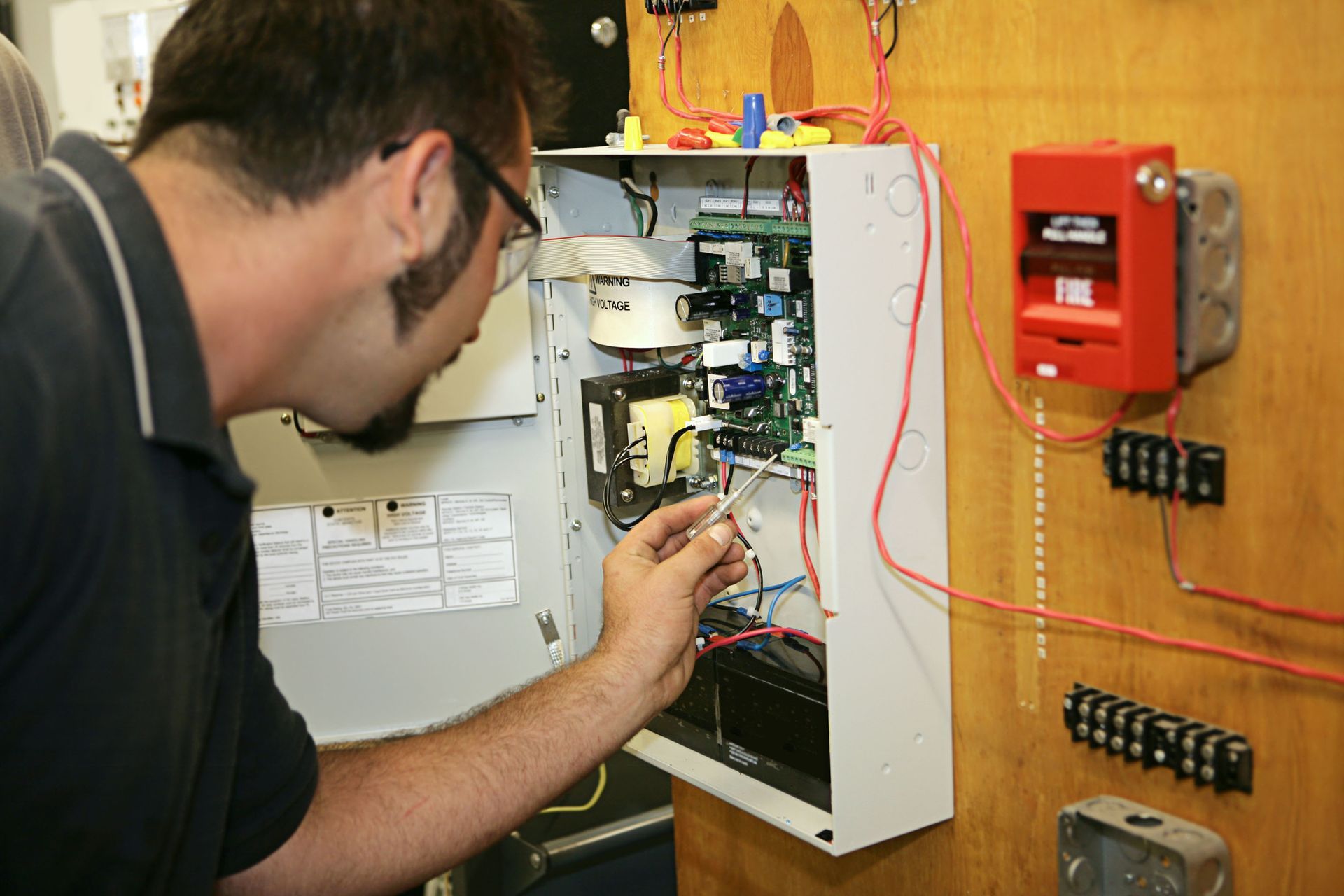
Electrical malfunctions consistently rank among the leading triggers for structural building fires in commercial and residential properties. Overloaded power outlets, frayed wiring insulation, outdated breaker panels, and damaged appliance cords can easily generate electrical arcs or excessive heat, igniting nearby drywall, insulation, or carpet materials. Facilities that rely on heavy machinery or extensive IT infrastructure face even higher risks when electrical maintenance is neglected. Replacing temporary extension cords with permanent commercial-grade outlets eliminates dangerous circuit overloading across busy workspaces. Upgrading outdated circuit breakers with arc-fault circuit interrupters provides an immediate defense against sudden electrical fires. Regular thermal imaging assessments and scheduled electrical panel tune-ups help identify hidden hot spots before they spark active blazes. Combining routine electrical system checkups with certified fire alarm inspections ensures that if an electrical malfunction occurs, detection sensors alert emergency services and occupants immediately.
Managing Commercial and Residential Cooking Appliance Hazards
Cooking equipment is another major contributor to interior facility fires, particularly in commercial kitchens, breakrooms, and multi-family housing units. Unattended stovetops, accumulated grease buildup in exhaust hoods, and overheating deep fryers can ignite in seconds, spreading flames rapidly along ventilation ducts. Implementing strict kitchen cleanliness standards, such as daily grease cleaning and automatic fuel shutoff valves, significantly reduces the likelihood of catastrophic cooking fires. Installing commercial Class K fire extinguishers near all cooking appliances gives staff the proper tools to smother high-temperature grease blazes quickly. Facility managers must also mandate that emergency suppression systems in food preparation areas undergo routine servicing. Coordinating kitchen hood maintenance alongside seasonal fire alarm inspections verifies that smoke detectors and heat sensors near dining and kitchen zones trigger correctly during cooking emergencies.
Reducing Heating Equipment Risks and Flammability Threats
During colder winter months, heating systems including boilers, space heaters, furnaces, and central HVAC units work continuously to maintain comfortable indoor temperatures. However, unmaintained heating equipment or improperly placed portable heaters pose serious fire hazards when operated near flammable materials like paper, curtains, or wooden furniture. Heat exchangers can crack, chimney flues can become clogged with soot, and electrical heating elements can short-circuit if dust accumulates on coils. Establishing strict clearance zones around all heating units and enforcing seasonal maintenance programs helps prevent mechanical overheating. Automatic tip-over shutoff switches should be mandatory on any portable space heaters used in office areas. Furthermore, scheduling routine fire alarm inspections throughout the winter ensures that duct smoke detectors in HVAC air handlers function reliably when heating equipment malfunctions.
Managing Chemical Storage and Combustible Dust Accumulation
Industrial facilities, laboratories, and warehouses often store volatile chemicals, solvents, and flammable gases that require specialized environmental controls. Improper chemical storage, inadequate room ventilation, or static electricity sparks near volatile vapors can trigger explosive chemical blazes. Additionally, fine combustible dust from woodworking, grain processing, or metal fabrication can suspend in the air and ignite rapidly if dust collection systems fail. Automated industrial dust collection systems must be cleaned routinely to keep airborne particulate concentrations below explosive threshold limits. Installing explosion-proof fixtures, maintaining specialized ventilation, and storing hazardous materials in fire-rated cabinets drastically lowers these industrial risks. Coordinating chemical safety audits with routine fire alarm inspections guarantees that specialized heat, flame, and gas detection sensors remain fully functional across high-risk processing zones.
Preventing Human Error and Improper Waste Disposal Incidents
Human error remains an unpredictable yet frequent cause of structural fires in offices, manufacturing plants, and residential buildings. Unattended candles, improper disposal of smoking materials, and careless handling of flammable liquids like cleaning solvents or paints can quickly lead to out-of-control blazes. Establishing designated outdoor smoking areas equipped with fire-safe receptacles prevents discarded embers from contacting dry landscaping or trash bins. Proper storage of volatile chemicals in fire-rated safety cabinets is equally essential for industrial and commercial environments. Educating staff and residents on proper waste disposal while completing semi-annual fire alarm inspections builds a strong workplace safety culture focused on fire prevention.
Eliminating Intentional Arson Hazards and Securing Perimeter Zones
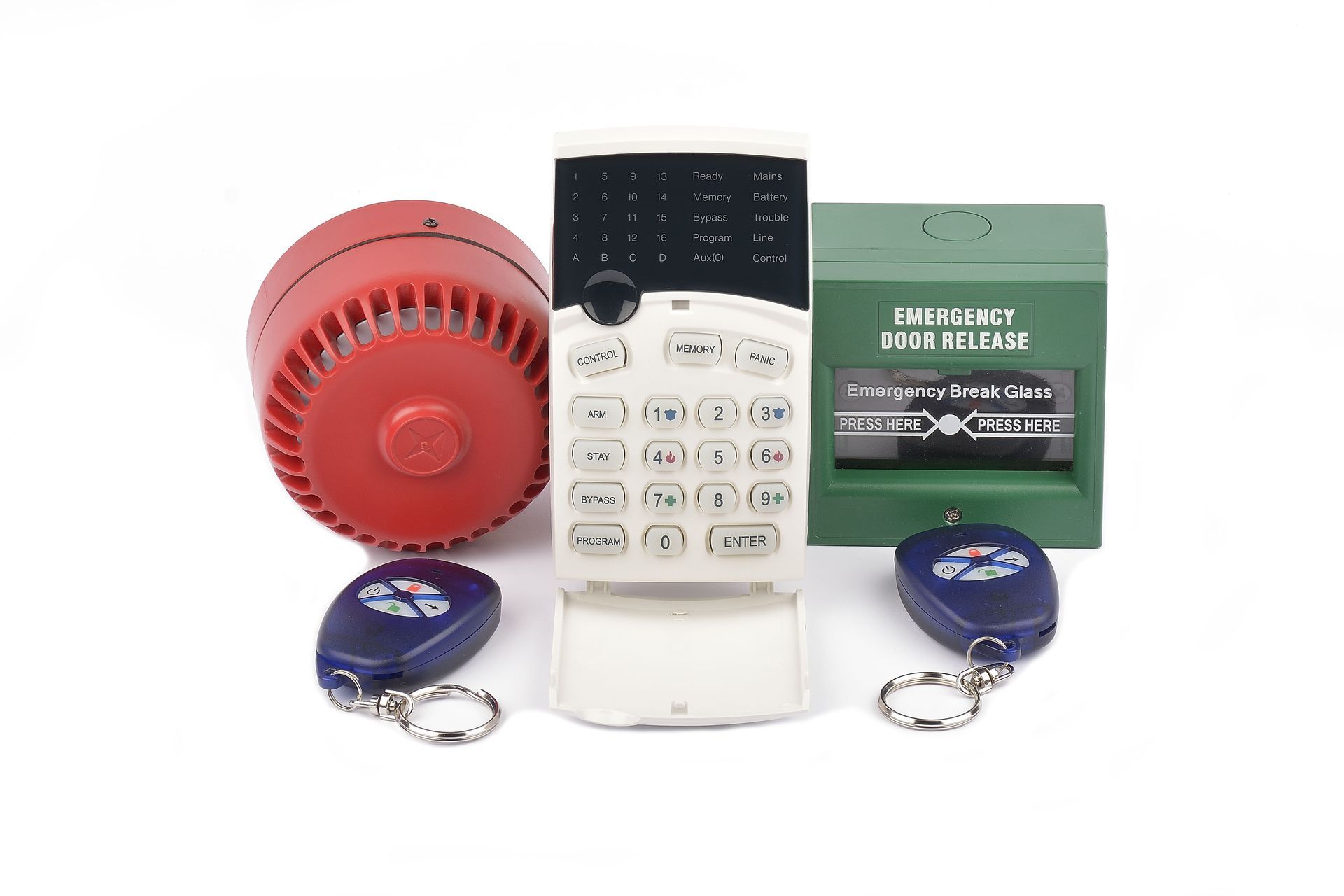
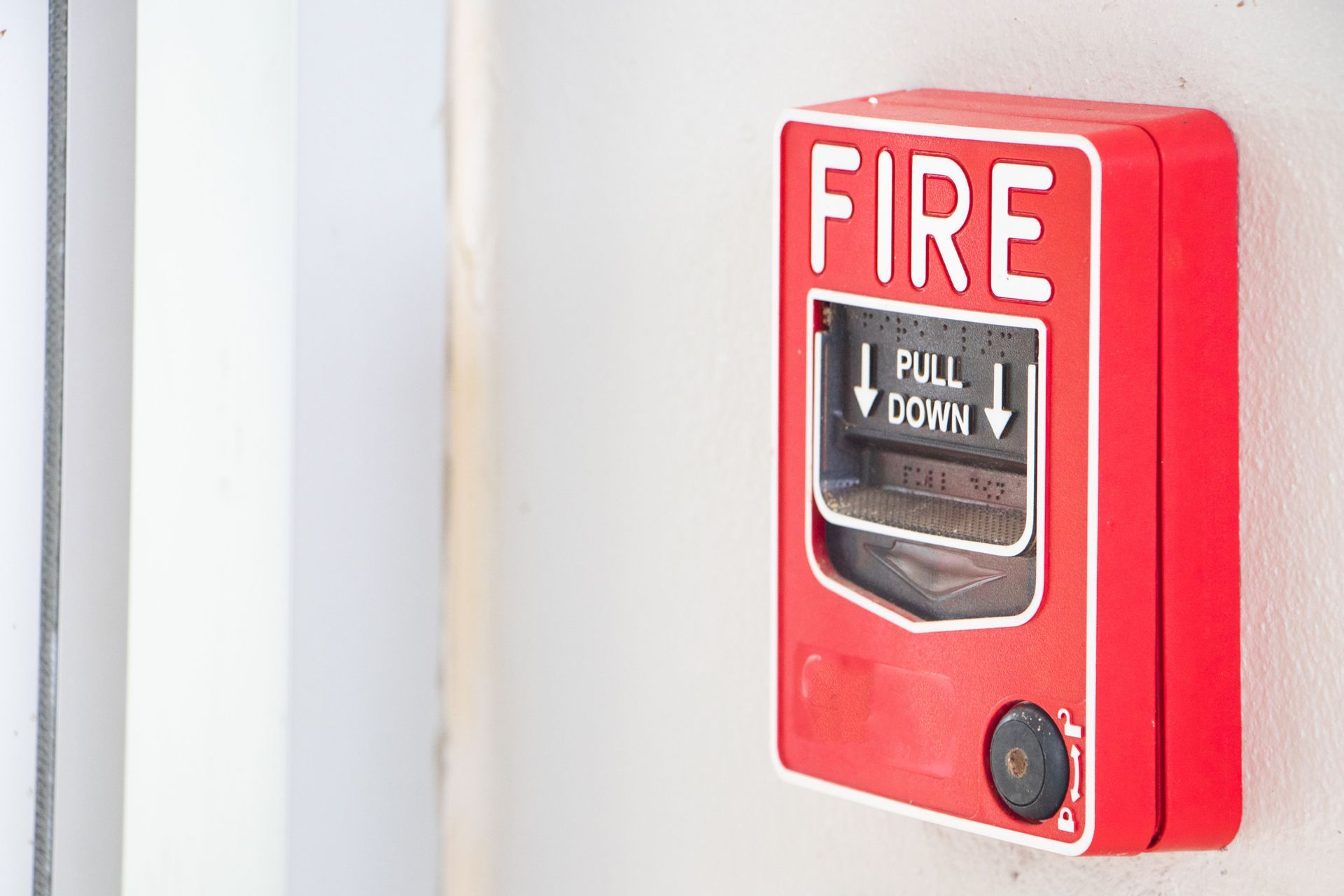
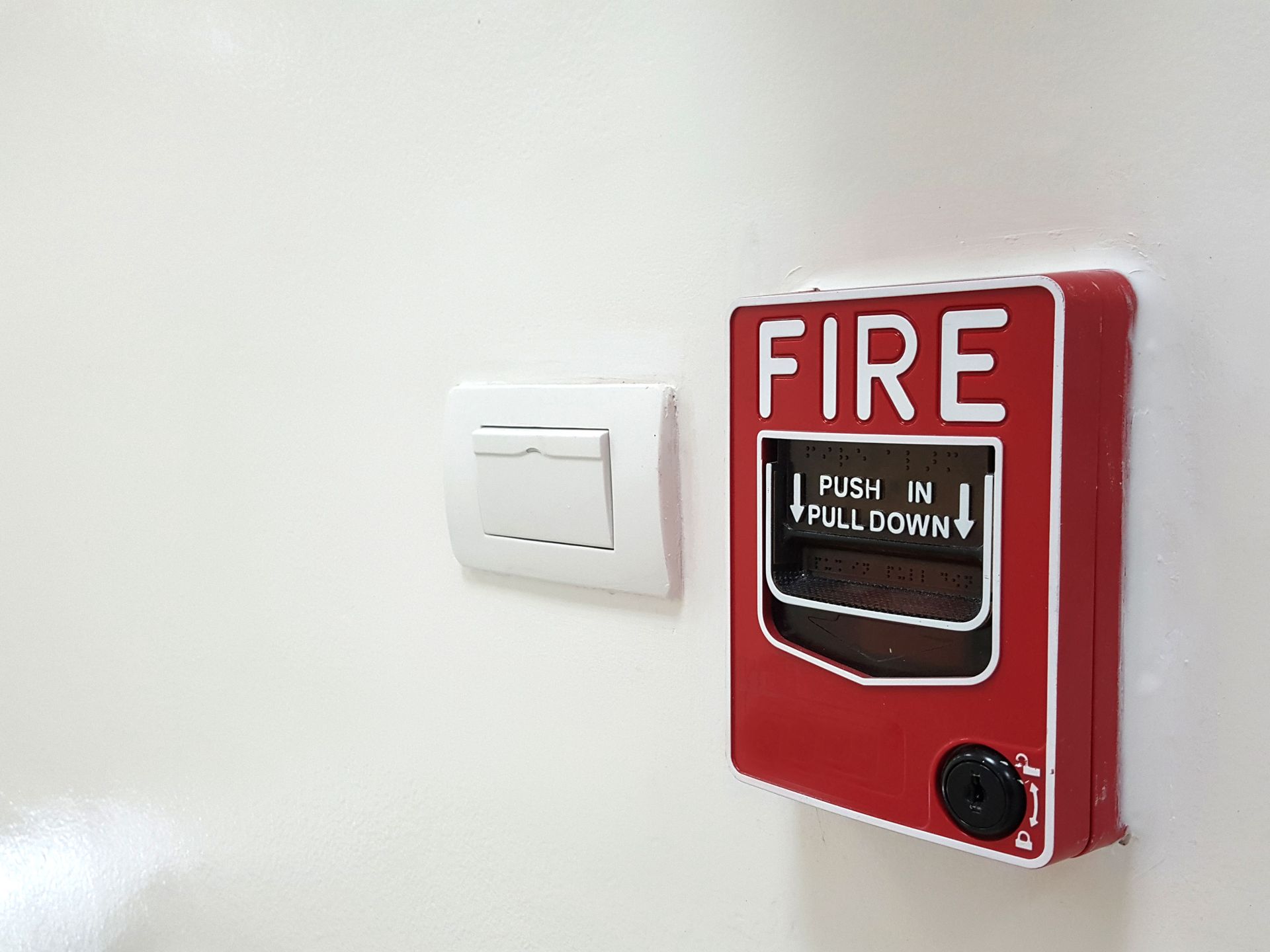
Arson and incendiary fires present a distinct threat to commercial buildings, vacant properties, and construction sites. Unsecured exterior trash dumpsters, accumulated wooden pallets, and poorly lit building perimeters often attract intentional vandalism and arson attempts. Property managers can reduce arson risks significantly by installing motion-sensor floodlights, security cameras, and perimeter fencing around vulnerable exterior areas. Securing outdoor storage yards with reinforced chain-link fencing keeps unauthorized individuals away from combustible materials. Moving trash dumpsters at least fifteen feet away from exterior building walls prevents outside rubbish fires from spreading to primary structural roofs or soffits. Maintaining secure building access points and conducting annual fire alarm inspections ensures that indoor pull stations, waterflow switches, and alarm control panels remain fully operational against malicious threats.
Maintaining Automatic Fire Suppression and Sprinkler System Readiness
While early detection is vital, active fire suppression systems play a critical role in controlling blazes before fire departments arrive on scene. Automatic fire sprinklers, standpipe systems, and clean-agent suppression units must remain completely unobstructed by stored inventory or partition walls. Water pressure drops, frozen pipes, or closed control valves can render suppression systems completely useless during a fire emergency. Maintaining a clearance of at least eighteen inches below sprinkler heads guarantees unobstructed water distribution during a discharge. Regular flow testing, backflow testing, and valve monitoring keep water delivery systems fully functional year-round. Integrating sprinkler flow switch testing into certified fire alarm inspections confirms that water activation immediately triggers main alarm horns, strobe lights, and central monitoring station alerts.
Establishing Emergency Evacuation Plans and Staff Safety Training
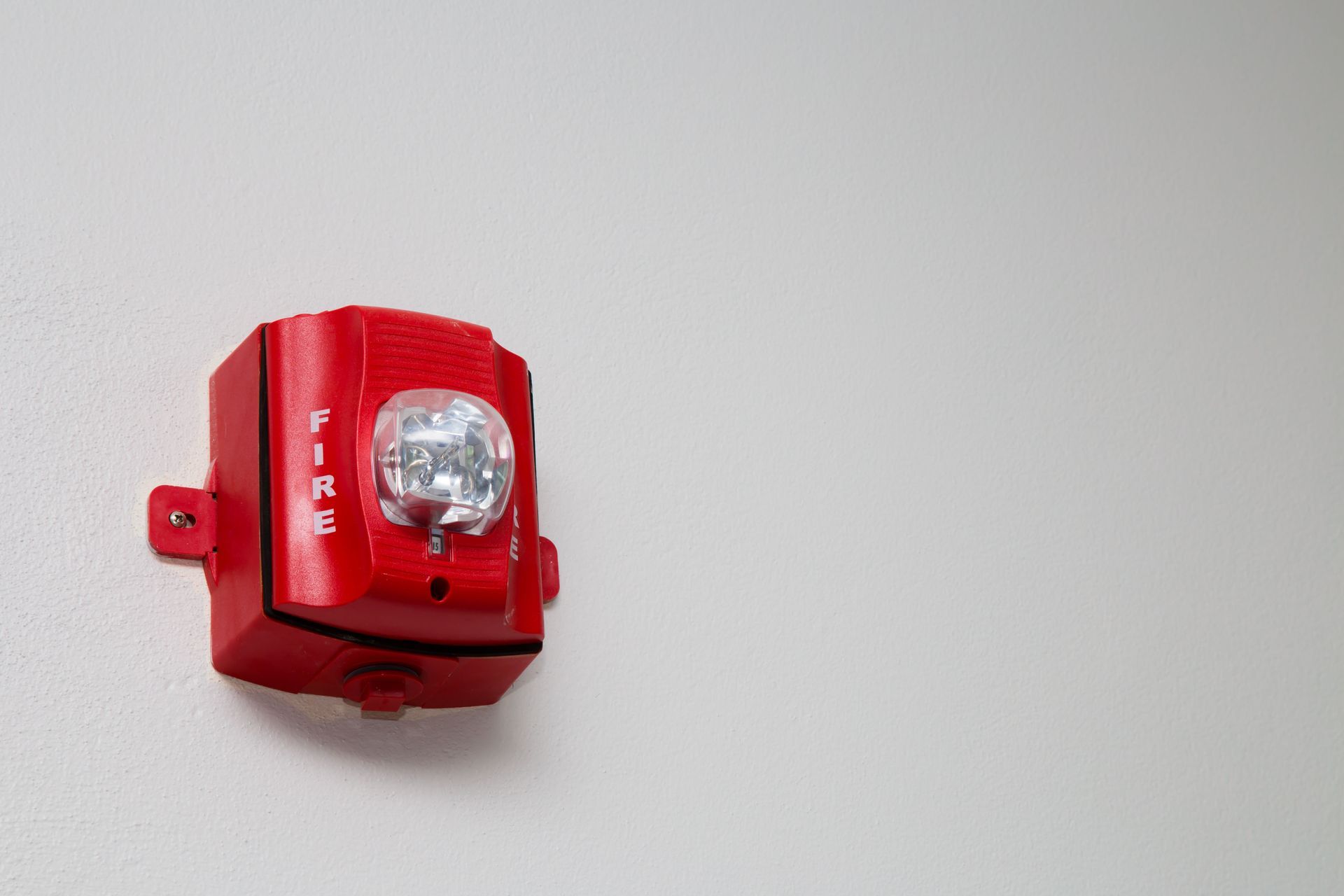
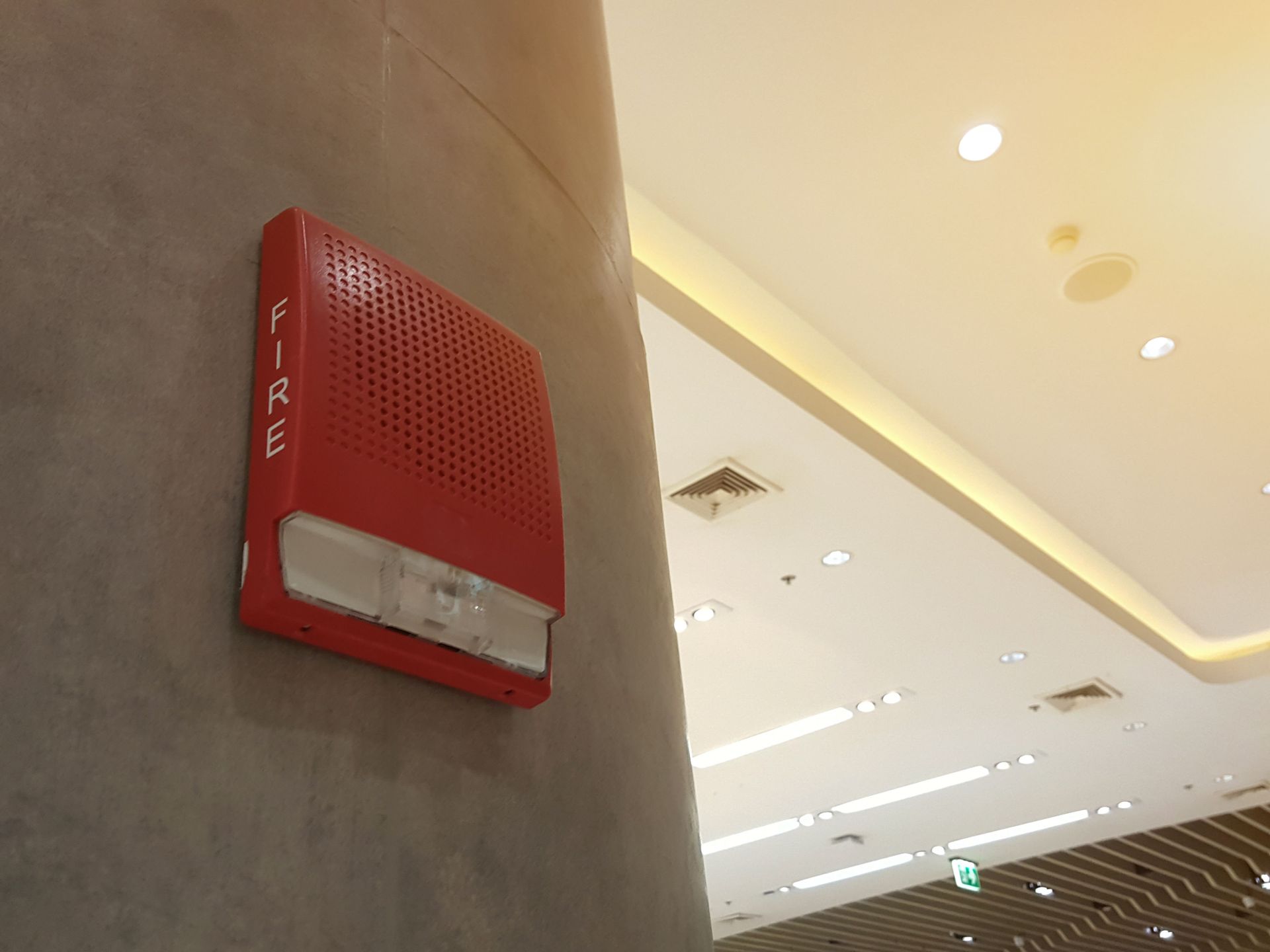
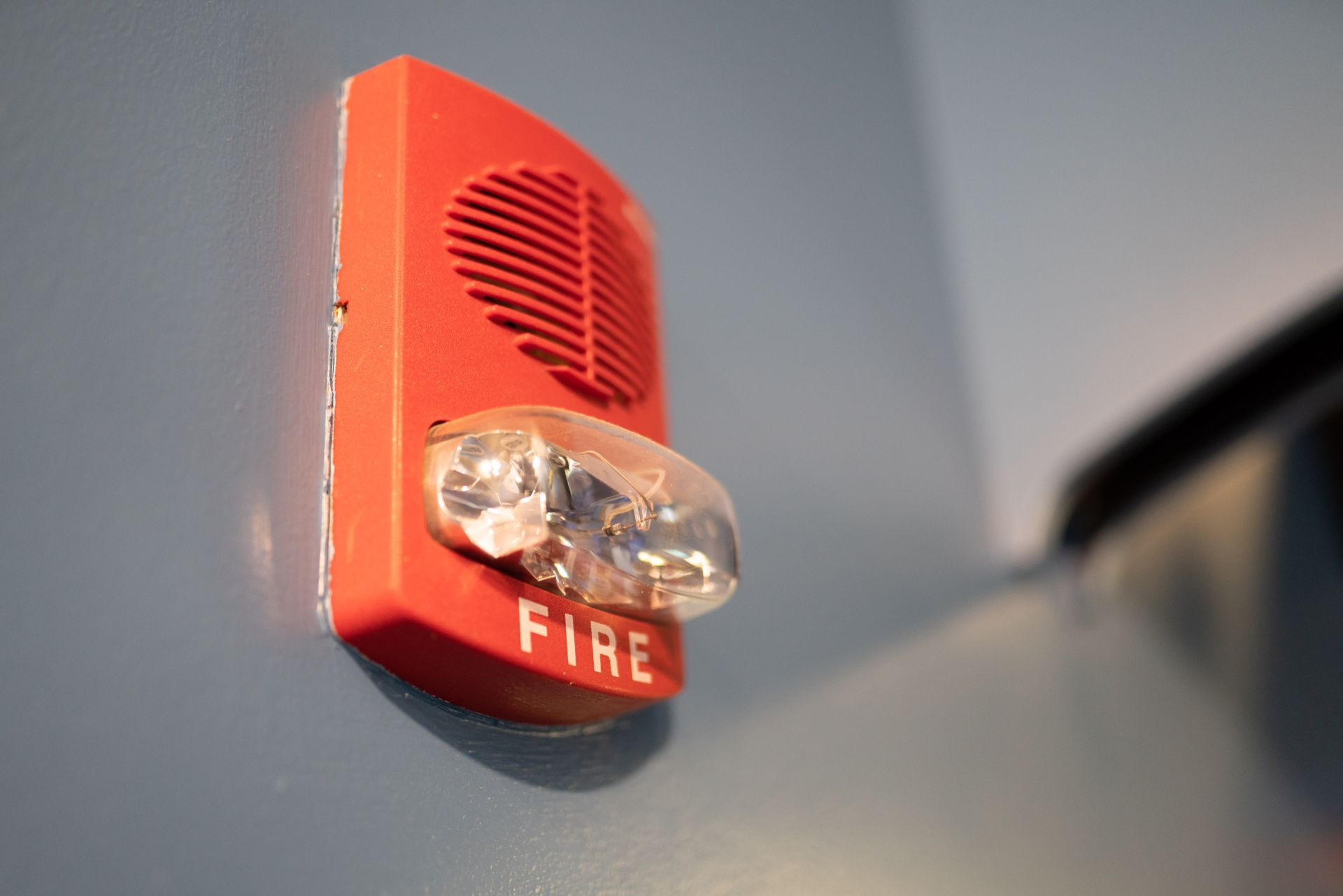
Even the most advanced building safety hardware cannot fully protect occupants without clear emergency evacuation protocols and regular staff training. Property managers should post clear evacuation maps in hallways, keep stairwells completely clear of stored boxes or furniture, and conduct quarterly fire drills for all personnel. Employees must know the exact location of portable fire extinguishers, primary emergency exits, and designated assembly points outside the facility. Designating trained floor wardens helps streamline staff roll calls and ensures orderly evacuations during active emergency alarms. Reviewing evacuation routes while scheduling licensed fire alarm inspections allows building owners to verify that audible alarm notification devices and strobe units operate clearly across every floor and enclosed stairwell.
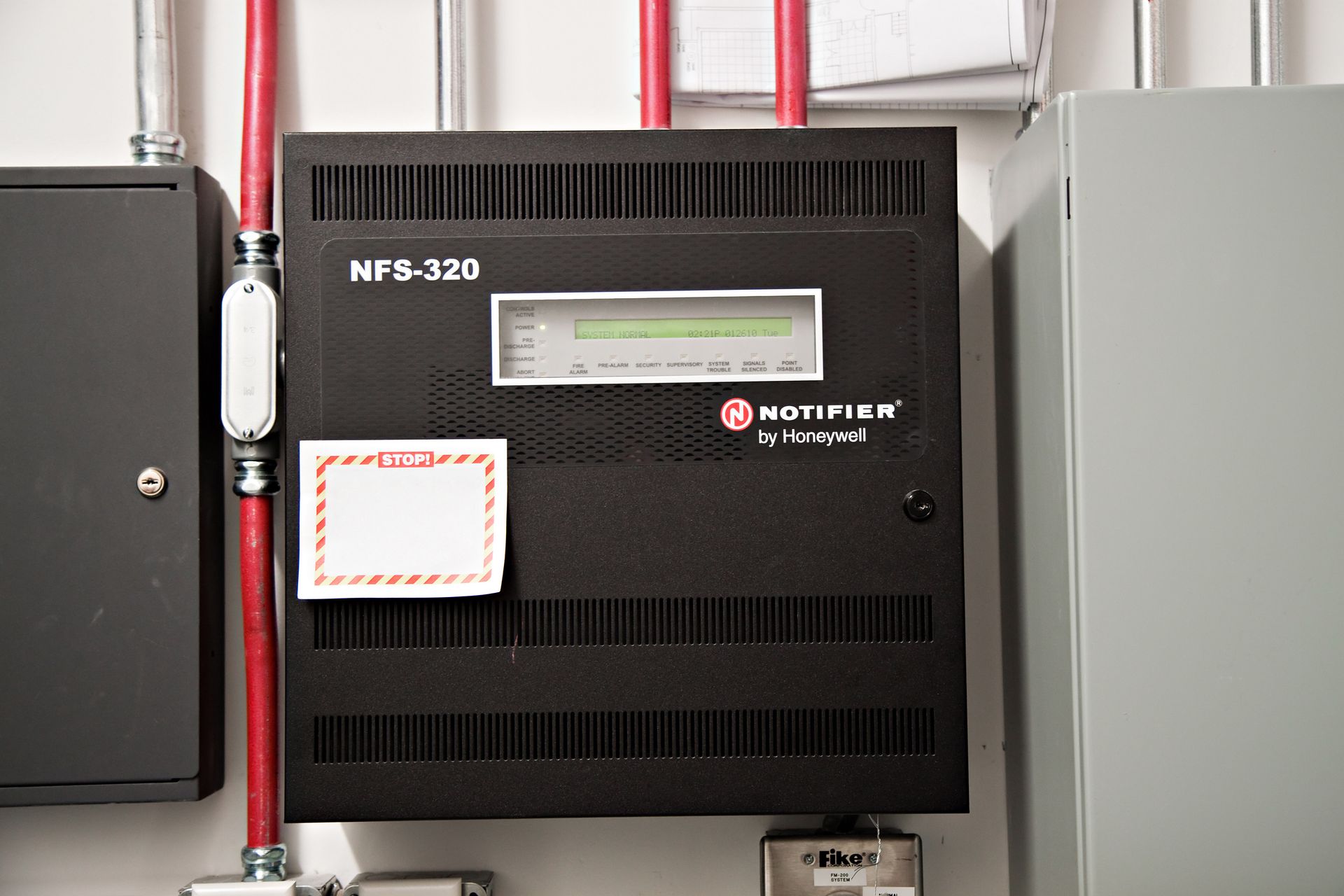
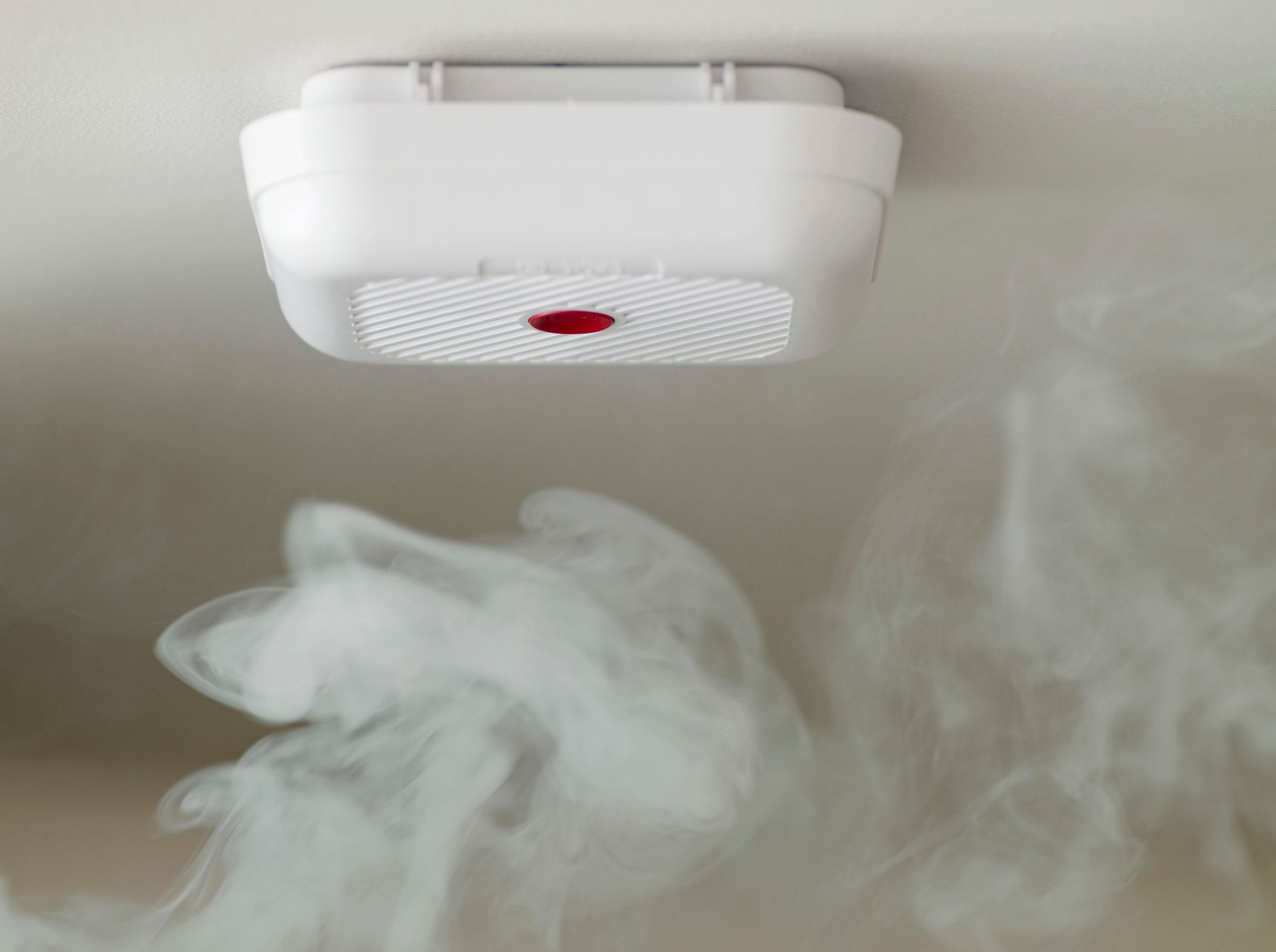
Preventing structural building fires requires continuous vigilance, proper material storage, proactive equipment maintenance, and reliable early detection hardware. By identifying common ignition hazards like faulty wiring, heating breakdowns, and cooking errors, property managers can eliminate risks before catastrophic blazes occur. Partnering with certified fire protection professionals ensures that your suppression systems and alarm notification devices perform flawlessly when seconds count. Proactive safety investments safeguard human lives, reduce property loss risks, and ensure full compliance with regional life safety codes. Contact Apex Fire Protection today to schedule your facility assessment and protect your building with comprehensive life safety solutions.
Share On: