6 Questions to Ask When Choosing a Commercial Fire Alarm System
Selecting a commercial fire alarm system requires a careful evaluation of safety requirements, building layouts, and ongoing operating costs. Navigating technical specifications can seem overwhelming for facility managers, yet making an informed decision remains crucial for protecting lives and physical assets. A modern, properly designed system serves as a foundational element of overall property management while providing continuous life safety for building occupants.
1. Evaluate Available System Types
Commercial properties often rely on distinct system architectures depending on their overall size, physical layout, and structural complexity. Conventional systems function by dividing a building into distinct physical detection zones, routing hardwired connections back to a central control panel. While these traditional setups offer budget-friendly simplicity, they lack the technical capability needed to pinpoint exact emergency locations instantly, making them best suited for smaller, straightforward facilities.
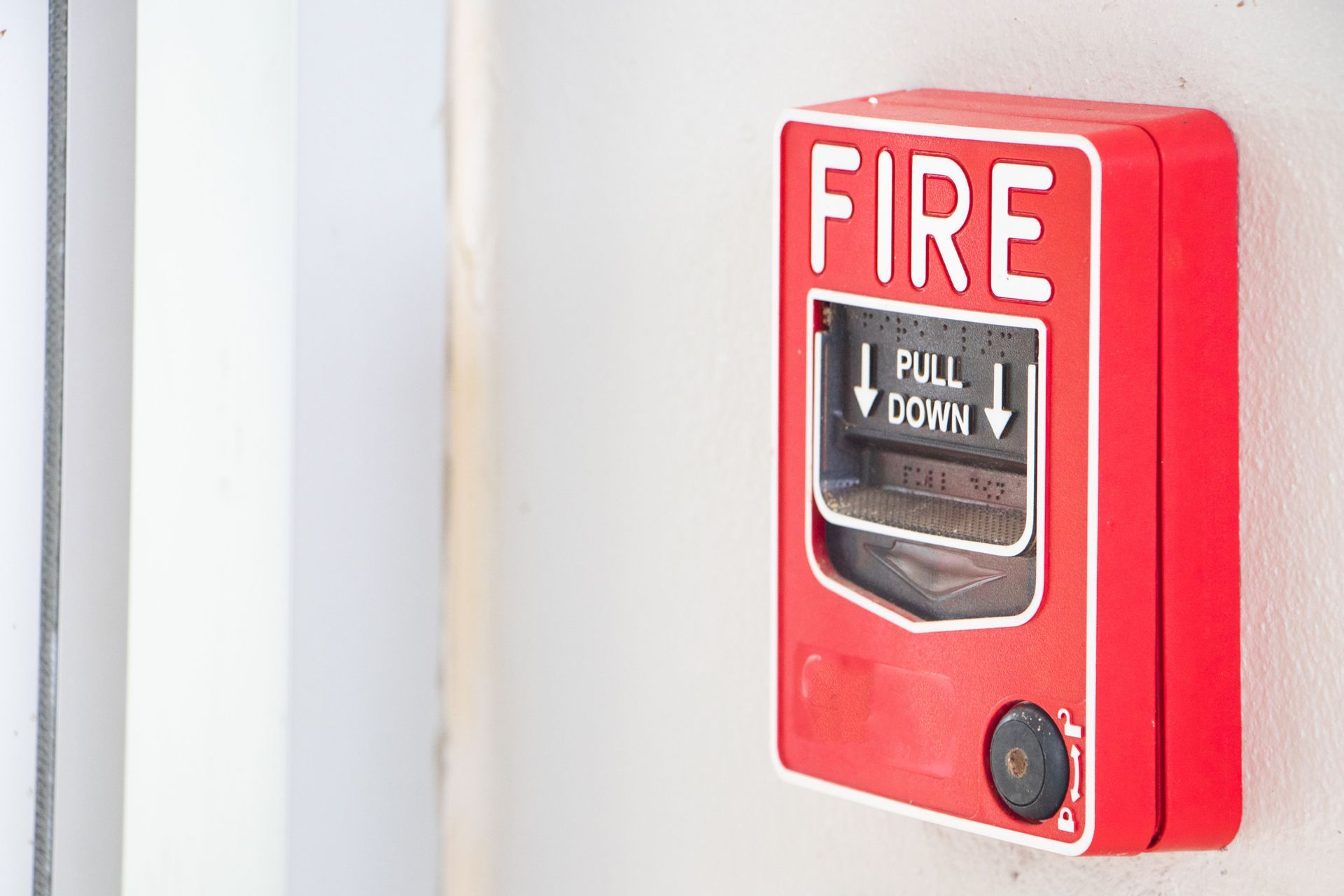
Addressable systems offer a significantly more sophisticated alternative by assigning a unique identification address to every individual smoke detector, heat sensor, and call point across the property. This capability enables site managers and emergency responders to identify the exact location of potential fire hazards immediately upon system activation. The precise, real-time data provided by addressable infrastructure drastically improves response times, making it ideal for complex, multi-story buildings.
Hybrid setups combine conventional and addressable features, allowing expanding organizations to upgrade their existing safety infrastructure incrementally without replacing entire networks at once. Wireless options also offer flexibility for historic structures where physical wiring presents severe structural challenges. Evaluating how a commercial fire alarm aligns with your physical layout helps determine which specific architecture provides the optimal balance between initial installation costs and long-term operational capabilities.
2. Assess Specific Building Coverage
Ensuring comprehensive coverage throughout a commercial facility requires a detailed analysis of architectural layouts and environmental conditions. Fire safety professionals conduct thorough site surveys to evaluate ceiling heights, wall configurations, and potential physical obstacles that might hinder smoke movement. Customizing equipment placement around these unique structural traits prevents dangerous coverage gaps and ensures rapid hazard detection across every room, hallway, and enclosed space.
Strategic sensor placement plays a pivotal role in maximizing the overall effectiveness of a commercial fire alarm system. High-risk locations such as commercial kitchens, chemical storage areas, boiler rooms, and mechanical spaces require specialized smoke or heat detectors tailored to specific thermal and environmental threats. Proper mapping accounts for natural airflow patterns, ensuring that detection devices trigger promptly during an emergency without generating disruptive false alarms.
Thorough safety planning optimizes the overall cost of installation and ongoing system upkeep by placing devices only where necessary for maximum protection. By balancing broad zone coverage with targeted sensor placement, facility managers establish a robust defense system that responds immediately to emerging hazards. Careful layout assessments ensure that every square foot of the property remains fully protected while maintaining alignment with established safety standards.
3. Consider Future Expansion Capabilities
Growing organizations must select life safety equipment that can scale seamlessly alongside physical expansions, structural renovations, or spatial reconfigurations. Choosing modular equipment allows facility managers to add additional sensors, notification appliances, and control modules without needing to replace existing central control panels. Scalable systems protect early financial investments while adapting smoothly to changing operational footprints, organizational growth, and evolving facility requirements over time.
Future-proofing safety infrastructure requires selecting platforms that support seamless integration with emerging software and hardware safety technologies. As commercial facilities expand or change operational uses, flexible control units accommodate new safety hardware without requiring disruptive, expensive infrastructure overhauls. This inherent adaptability keeps property protection capabilities aligned with shifting spatial needs, increased occupancy rates, and ongoing facility growth across the entire business lifecycle.
Selecting an adaptable commercial fire alarm ensures that future renovations do not cause extensive operational downtime, administrative stress, or unexpected budget strain. Modern modular systems streamline physical expansions by simplifying wiring additions, zone configurations, and device programming. Planning for long-term scalability ensures that property protection remains cohesive, functional, and highly economical across every stage of business development and commercial expansion.
4. Review Regulatory Compliance Standards
Navigating complex safety regulations forms a vital foundation when selecting fire detection equipment for commercial properties. According to Tivly, businesses are generally required to maintain fire alarms to comply with three levels of regulations: local, state, and federal fire codes. Working with qualified fire safety experts ensures that equipment installations satisfy all applicable mandates, protecting organizations from potential fines, operational shutdowns, or legal liabilities following an unexpected incident.
Maintaining strict adherence to national guidelines like National Fire Protection Association standards requires continuous diligence, detailed documentation, and accurate system design. Professional safety consultants clarify complex requirements, helping organizations choose certified components that meet rigorous operational standards. Adhering closely to these established guidelines guarantees that emergency detection equipment functions reliably when lives and valuable business assets depend on swift notification.
Selecting a compliant commercial fire alarm setup reflects a firm commitment to workplace safety, employee welfare, and comprehensive risk management. Regular safety audits, routine inspections, and detailed documentation updates verify that life safety systems maintain complete operational readiness over time. Proactive compliance practices safeguard building occupants, preserve corporate reputation, and ensure seamless approvals from local authorities having jurisdiction.
5. Plan Routine Maintenance Procedures
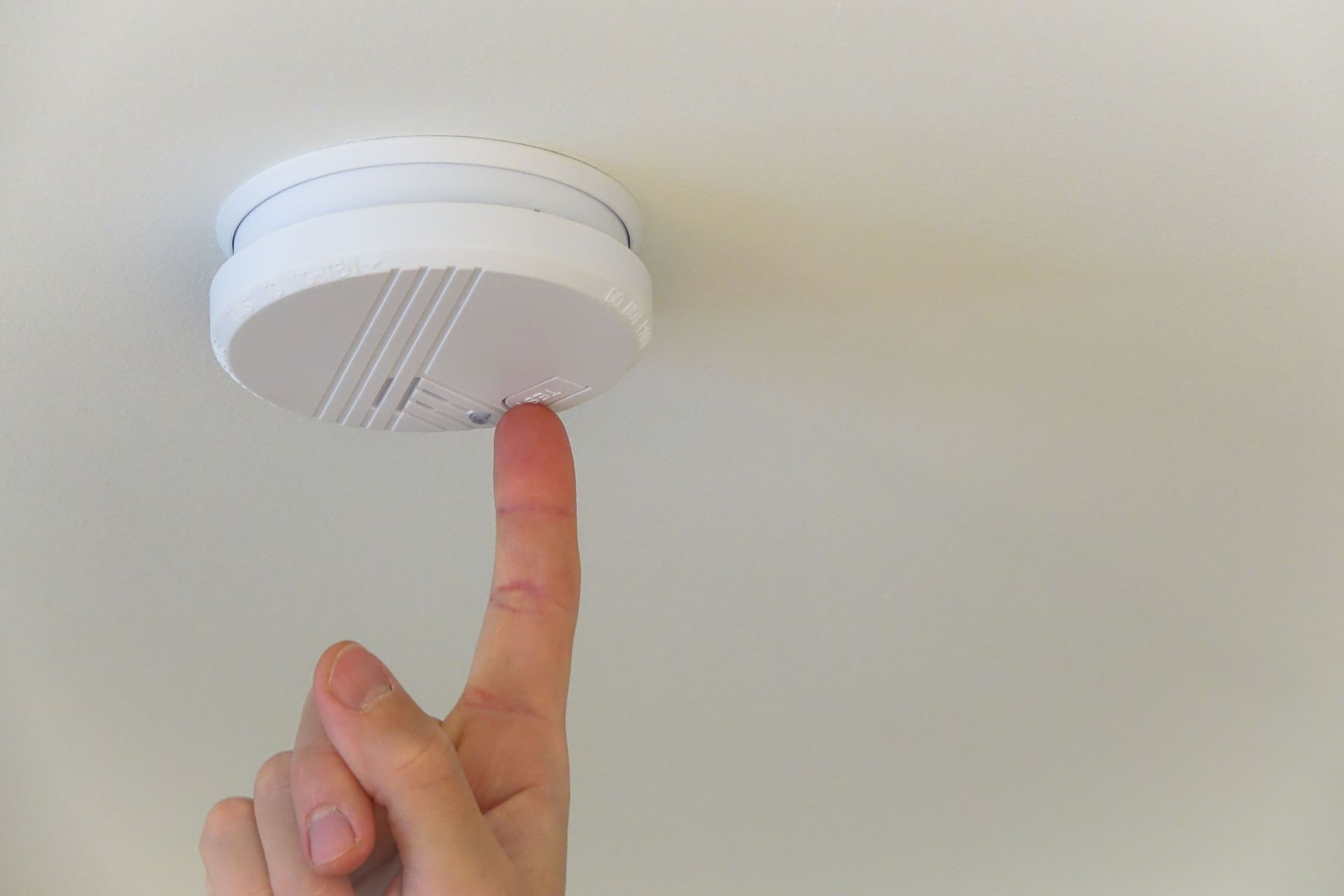
Continuous operational reliability requires establishing a structured schedule for system maintenance and regular component testing. Environmental dust accumulation, electrical wear, and changing building conditions can degrade sensor sensitivity over time, making routine inspections necessary to keep devices operating properly. Systematic maintenance prevents unexpected system failures and ensures rapid activation during critical emergency situations.
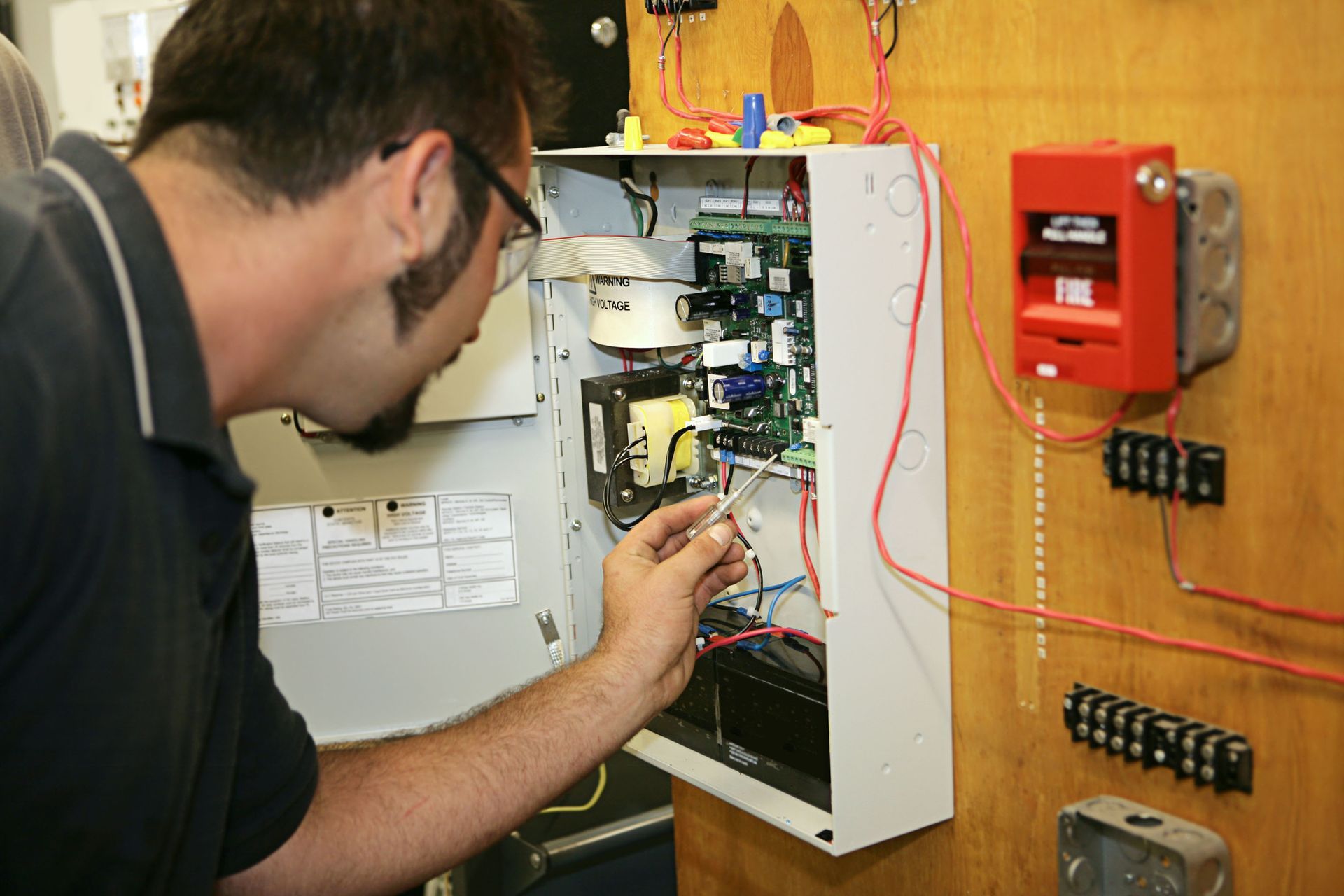
Contracting with certified fire safety technicians ensures that routine testing follows established industry protocols, manufacturer guidelines, and regulatory requirements. Technicians conduct thorough physical inspections, clean sensitive optical sensors, test battery backup power supplies, and verify central panel communication links. Documenting these regular service visits maintains clear service histories required by local code enforcement agencies and commercial property insurance providers.
A well-maintained commercial fire alarm system reduces the likelihood of costly emergency repairs, unexpected system failures, and annoying false alarms. Routine diagnostic checks identify aging components before complete failure occurs, extending the operational lifespan of the overall infrastructure investment. Prioritizing structured maintenance guarantees consistent protection and long-term peace of mind for facility leadership and building occupants alike.
6. Verify System Integration Options
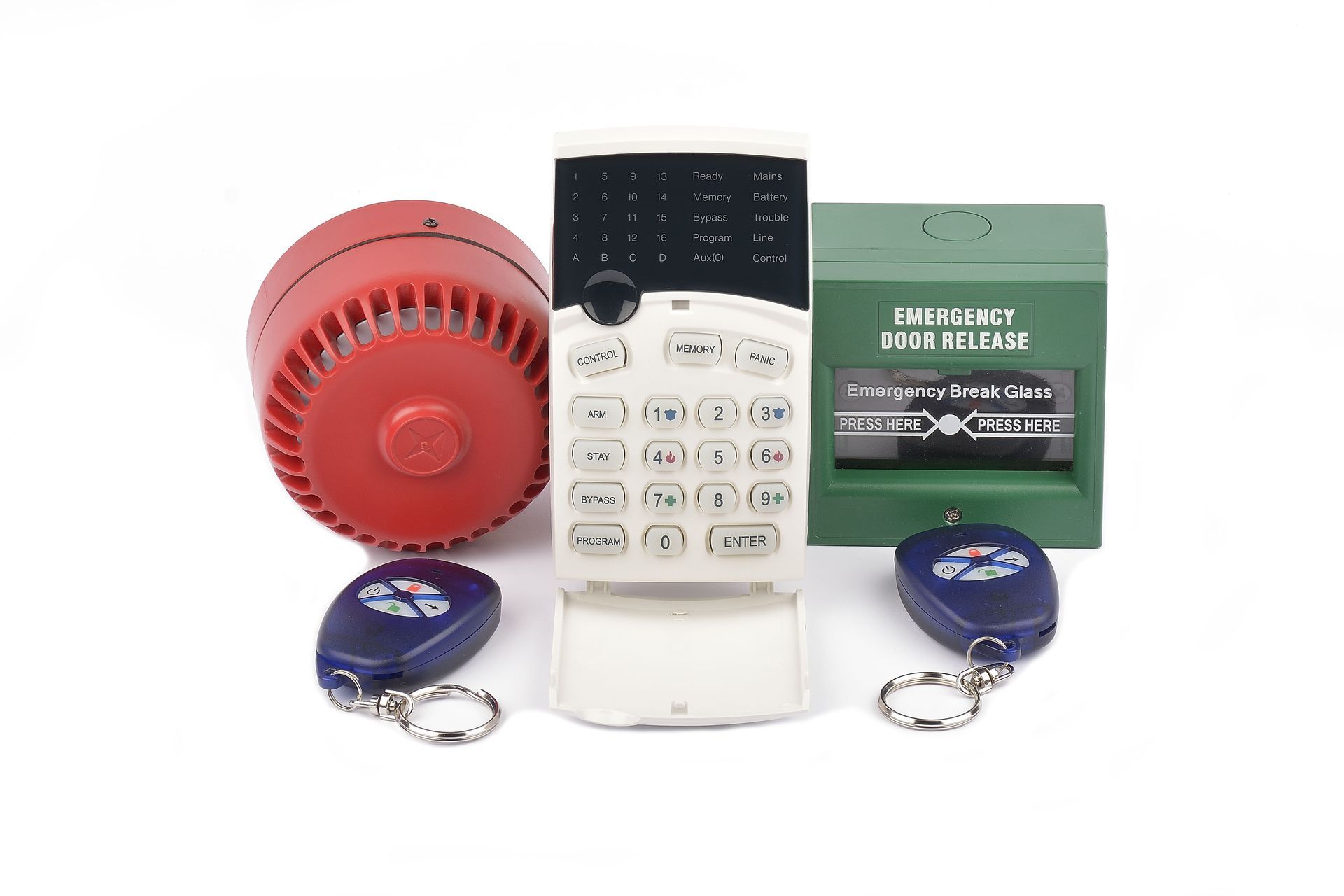
Modern life safety strategies increasingly rely on integrating fire detection platforms with broader building automation and security networks. Connecting detection systems directly to facility ventilation units allows for automatic fan shutdowns during fires, preventing dangerous smoke and toxic fumes from circulating through air ducts. Interfacing with access control systems ensures automated door releases during emergency activations, enabling immediate, unobstructed evacuation for all occupants.
Centralized building management platforms consolidate alerts from security networks, fire detection devices, and mechanical systems onto a single operational interface. This unified communication network provides facility managers and security personnel with comprehensive real-time situational awareness during emergency events. Automated protocols coordinate emergency lighting, elevator recall mechanisms, and public address messaging systems, streamlining emergency response efforts across the entire complex.
Evaluating hardware compatibility before installation prevents technical integration conflicts and costly system retrofits later in the building's lifecycle. A properly connected commercial fire alarm enhances overall facility safety while automating essential emergency protocols during critical events. Investing in interoperable equipment creates an efficient safety network capable of handling complex emergency scenarios effectively and reliably.
Partnering with experienced safety professionals ensures that every installation meets high standards of quality, reliability, and code compliance. When you need expert guidance, tailored system design, and dependable service for your commercial fire alarm, contact us at Effective Alarm Systems, Inc.

Share On: